

How Law Enforcement Supports People with Disabilities
For parents and caregivers of people with disabilities, confidence in their safety and support is essential. Across Florida, law enforcement agencies are expanding programs that strengthen understanding, communication and connection with this community — reflecting a statewide commitment to compassion, respect and protection for all.
Supporting People with Disabilities
Interactions with law enforcement and people who have disabilities can require unique communication approaches. Florida’s law enforcement professionals are trained to recognize and respond with empathy, patience and awareness — ensuring every encounter is handled with care and understanding. Agencies across Florida continue to expand education and training focused on compassion, inclusion and clear communication, helping to build lasting trust between law enforcement and families.
Programs across the state also work to connect public safety professionals with individuals who have disabilities. These initiatives provide deputies with tools and guidance to respond effectively to the unique needs of each family. Below are examples of community programs and engagement opportunities that help strengthen this support.

The Florida SAFE Act
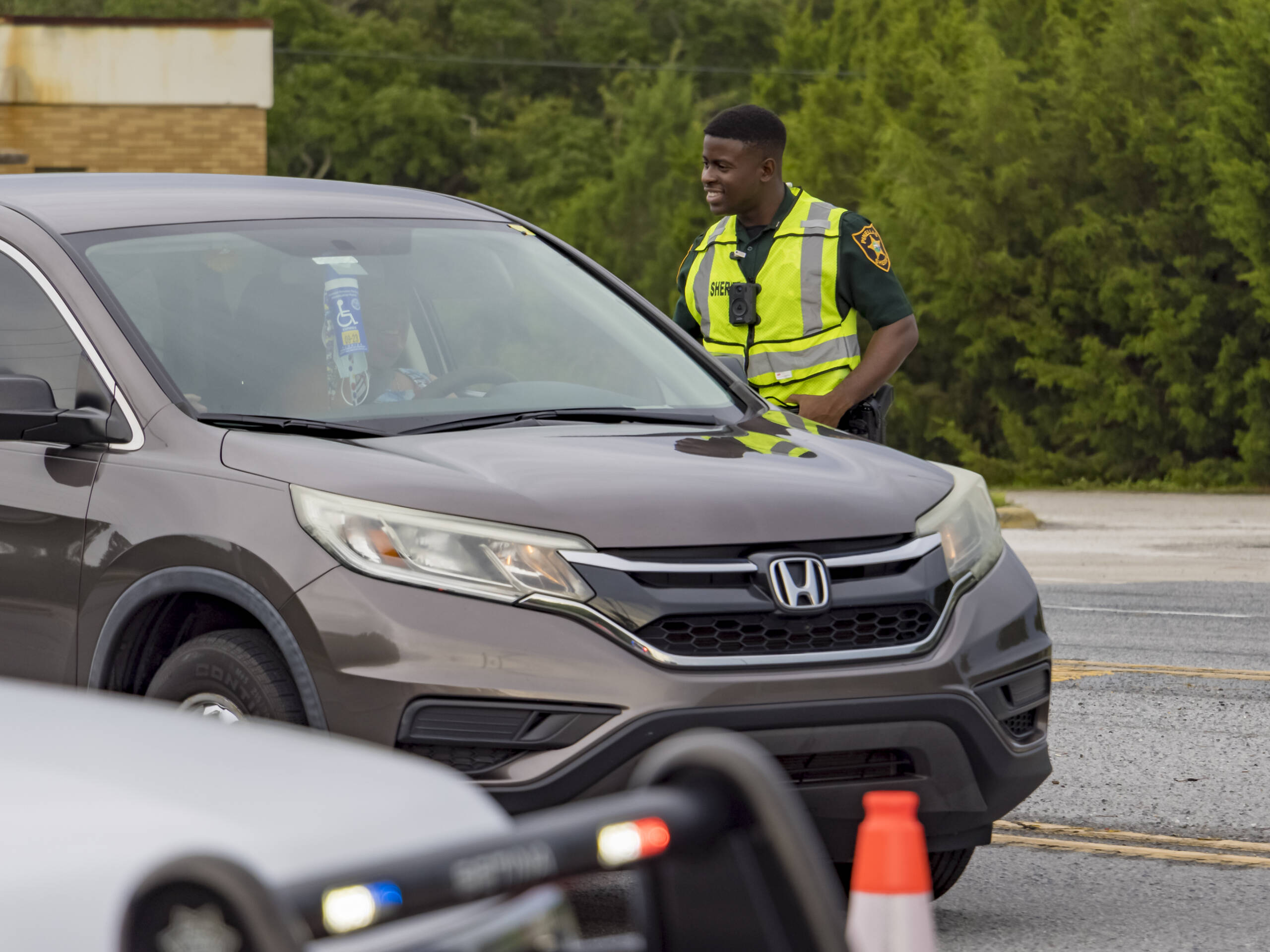
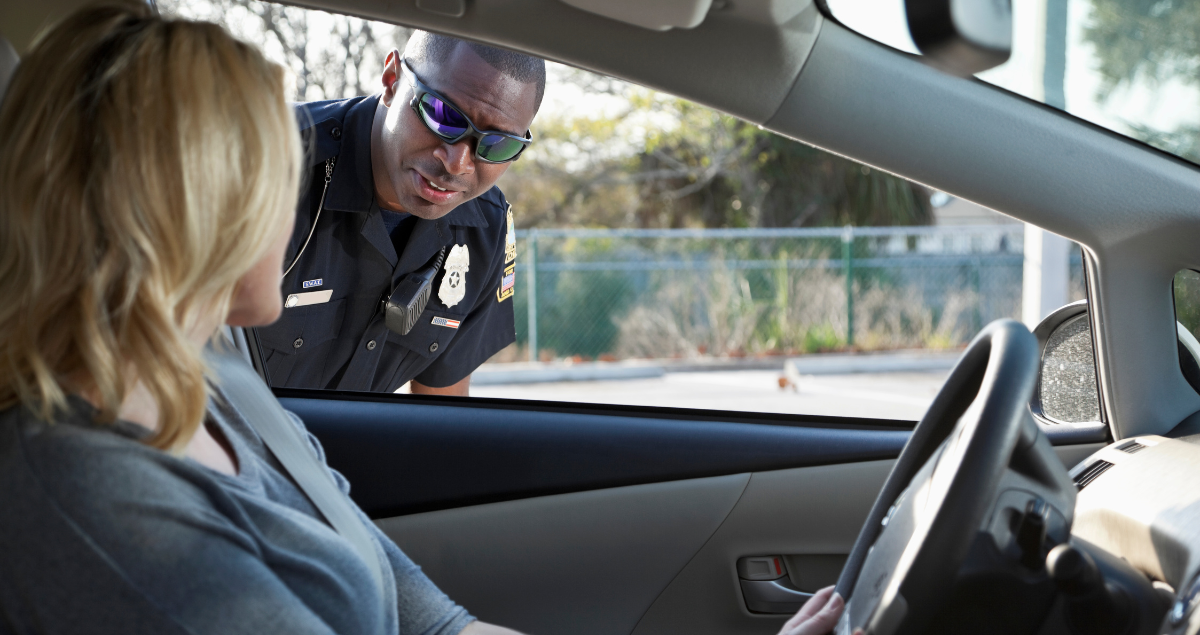
The Florida Safeguarding American Families Everywhere (SAFE) Act created a voluntary designation on a driver’s record that alerts law enforcement during traffic stops when a person in the vehicle may have an invisible condition. Invisible conditions, including autism, Alzheimer’s disease, post-traumatic stress disorder (PTSD) or a traumatic brain injury, could affect how they respond to commands. The goal is safer interactions, better understanding and stronger trust between law enforcement and the public.
The SAFE Act was inspired by a local program in Santa Rosa County. Sheriff Bob Johnson set up a voluntary system for residents with disabilities or special needs to share key information, like medical conditions or communication preferences, with local emergency responders. Families could also place decals on homes and vehicles to signal that extra care might be needed. The program helped first responders approach situations with understanding and sensitivity, giving families peace of mind.
Building on that success, House Bill 341 expanded the program statewide through the SAFE Act, which took effect Oct. 1, 2024. Floridians can voluntarily indicate disabilities or medical conditions on their driving records through the Department of Highway Safety and Motor Vehicles. This designation alerts deputies during traffic stops that someone may need extra care when responding to commands or requests.
The program has strengthened safety and understanding statewide, setting a new standard for proactive community engagement and trust-building.
To learn more about the SAFE Act and its impact, listen to episode 139 of the FSACast podcast, where Santa Rosa County Sheriff Johnson talks about the program and the difference it’s making in communities.
Benefits of Florida’s SAFE Program
- Voluntary and easy to enroll
- Supports individuals with diverse disabilities
- Enhances safety and emergency response
- Improves situational awareness for law enforcement
- Ensures secure information sharing
- Builds trust between law enforcement and the community
Who Is Eligible for the SAFE Program
The SAFE Program is open to any Florida resident with a disability or special need, including, but not limited to:
- Autism
- Attention deficit/hyperactivity disorder (ADHD)
- Down syndrome
- Alzheimer’s disease
- Traumatic brain injury
- Post-traumatic stress disorder (PTSD)
- Diabetes or autoimmune disorders
- Deafness or blindness
- Any condition that limits daily functioning, including communication or intellectual disabilities
How to Enroll in the SAFE Program
Signing up is simple. When you enroll you (or your guardian/health surrogate) must:
- Provide key information: Details about medical conditions or communication preferences are entered into the emergency system.
- Use decals: Families can place SAFE stickers on homes and vehicles to alert first responders.
- Ensure safer responses: Law enforcement, fire and EMS can see the information during emergencies, helping them approach with care and understanding.
The program helps create safer interactions and gives families peace of mind knowing first responders are prepared. Law enforcement, fire and EMS all have access to the information families provide, helping ensure a safer, more positive experience for everyone involved.
Follow these steps to enroll in the SAFE program.
- Complete your registration: Start a new vehicle registration or update your existing one.
- Indicate your condition: When prompted on the registration form, select the option to note a disability or medical condition. You can also use Form 72120 to add the designation.
- Provide documentation: Submit any required supporting documentation from a medical professional, if applicable.
- Submit your application: Follow the instructions from the Florida Department of Highway Safety and Motor Vehicles to file the form online or in person.
Florida Special Needs Registry
The Florida Special Needs Registry is a voluntary program that helps residents with physical, mental, cognitive or sensory disabilities receive extra support during emergencies such as hurricanes, floods or other natural disasters.
By registering, individuals and caregivers share important information with local and state emergency agencies, including:
- Medical needs or dependencies
- Mobility or transportation assistance
- Communication preferences
- Support required for safe evacuation or sheltering
The registry is managed through the Florida Division of Emergency Management, in partnership with the Florida Department of Health and local county emergency management offices. The state maintains the system, while counties handle day-to-day coordination, including outreach, data collection and management of special-needs shelters. Residents can register online and are encouraged to keep their information up to date.
While registration does not guarantee a specific shelter or medical service, it plays a vital role in emergency planning. Registration helps first responders allocate resources, coordinate care and respond efficiently when disasters strike.
Participating in the Florida Special Needs Registry is one step toward a broader emergency preparedness plan. Along with having a supply kit, a support network and a communication plan, registration helps ensure people with disabilities receive timely assistance during a crisis. It’s a proactive way to protect yourself, your loved ones and your community.
Local County Initiatives
Across Florida, counties are expanding programs that enhance safety, inclusion and access for residents with special needs. Here a just a few examples of programs currently offered.
- The Bay County Sheriff’s Office Scent Evidence Program provides a scent preservation kit free to caregivers of individuals with autism, Alzheimer’s or dementia who may wander. The kit lets K‑9 units work from a preserved scent sample.
- Bay County also offers a special needs shelter for individuals with medical or functional needs who require assistance during a disaster and cannot evacuate to a general population shelter.
- In Charlotte County, the Project Lifesaver program addresses the needs of adults and children who wander due to cognitive conditions (like Alzheimer’s, dementia or autism). A personal transmitter wristband enables quick tracking by law enforcement.
- Hernando County offers Project Safe Return for at‑risk individuals with cognitive and/or behavioral disorders who may wander. It helps first responders locate them quickly by using pre‑registered data, including photos and identifiers.
- Collier County’s Community Assistance, Resource & Education (C.A.R.E.) Program is a voluntary resource for residents with disabilities. It collects critical information that can be accessed by first responders to aid in safety and emergency planning.
Law Enforcement Training
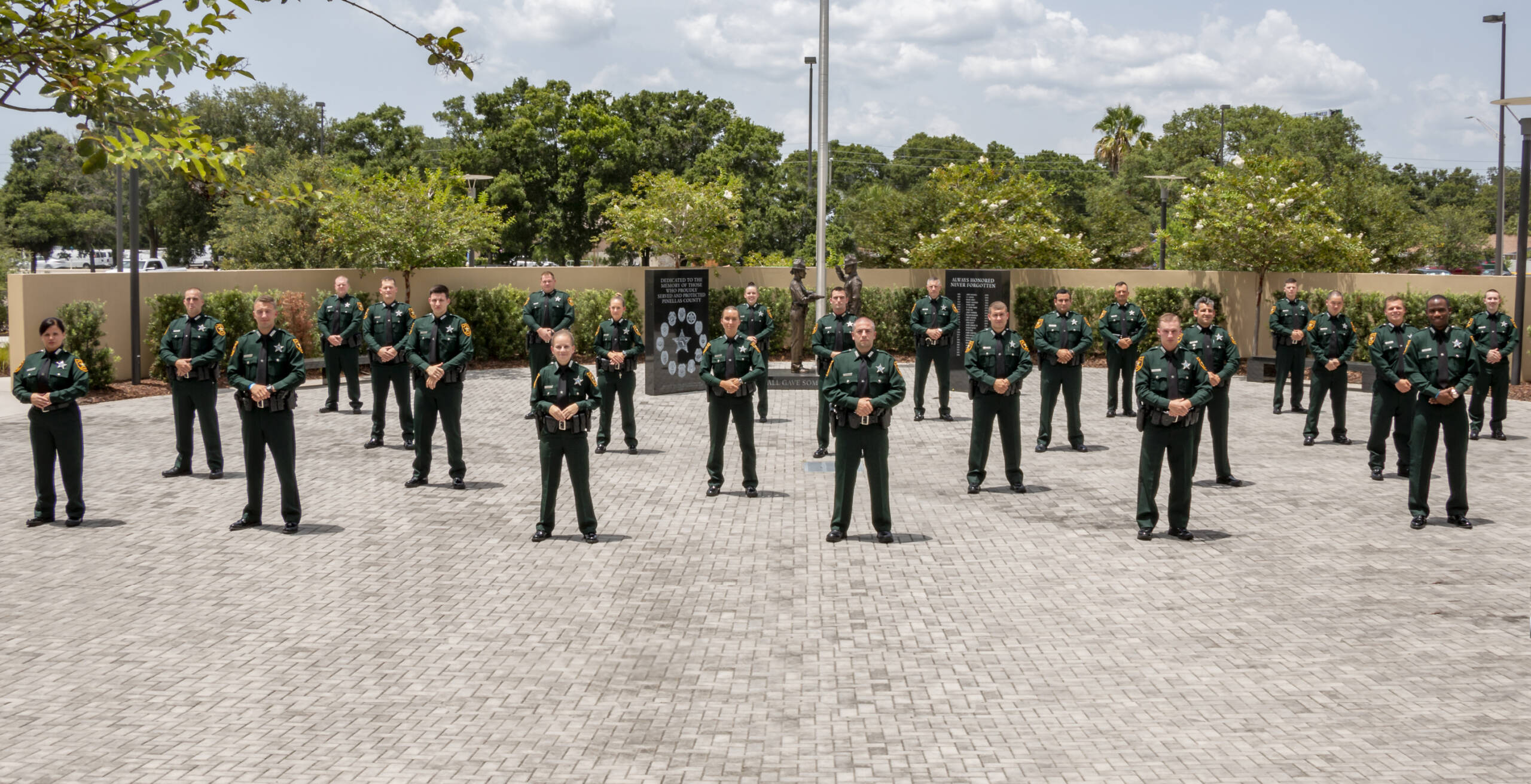
Florida law enforcement agencies and the Florida Sheriffs Association are leading the way in specialized training that equips officers and first responders to support individuals with intellectual and developmental disabilities, Alzheimer’s and other conditions. These programs provide the skills, knowledge and confidence needed to engage safely and compassionately with everyone.
Continuing education for law enforcement in Florida includes specialized autism training, which is managed by the Florida Department of Law Enforcement (FDLE). In addition, 911 dispatchers receive training to handle calls involving people with disabilities, ensuring prompt, informed responses. FDLE provides a variety of mandatory online retraining courses, some of which cover various disabilities and crossover between topics.
Key components of this training include:
- Recognizing and distinguishing behaviors associated with this population.
- Learning effective communication techniques that promote safety, cooperation and understanding.
- Participating in hands-on, scenario-based exercises that reflect real-world law enforcement encounters.
- Supporting Florida’s movement toward inclusive and compassionate policing, where all community members are treated with dignity and respect.
The Florida Sheriff’s Association (FSA) provides training to equip law enforcement with the knowledge, skills and confidence to safely and compassionately interact with people living with intellectual and developmental disabilities, Alzheimer’s and other communication disorders. Courses use real-world examples, scenario-based exercises and open discussion to promote awareness and understanding and provide actionable strategies for field engagement. Participants learn the importance of proactive communication between first responders and residents with special needs, emphasizing recognition, respect and responsibility toward some of the community’s most vulnerable members.
Supporting Floridians Through Legislative Changes
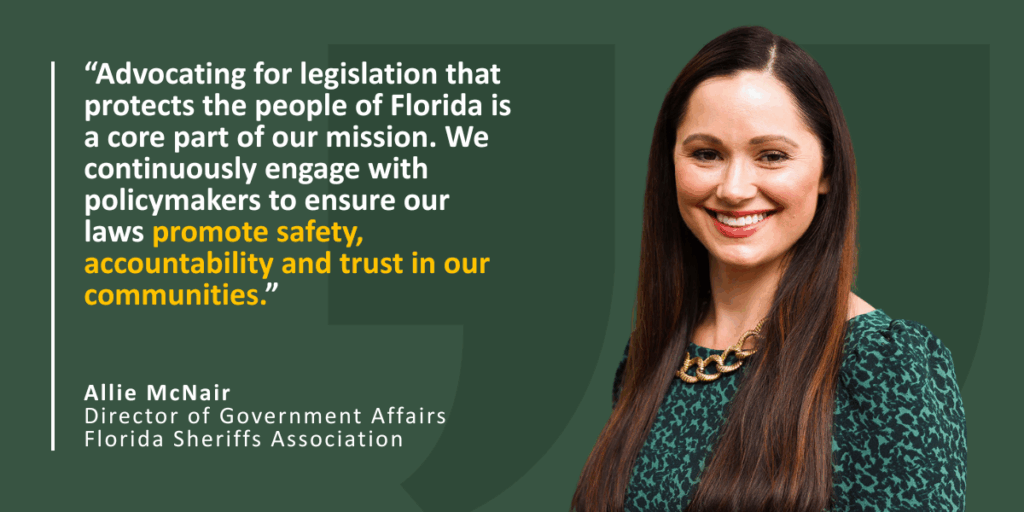
One of the Florida Sheriffs Association’s primary roles and responsibilities is to support and monitor legislation that ensures public safety in Florida. Both during the legislative session and throughout the year, FSA’s legislative team is actively working with lawmakers to ensure that bills are introduced and passed that are in the best interests of Florida citizens and protect the ability of Florida law enforcement to keep communities safe.
FSA supports both Florida’s citizens and law enforcement through legislative advocacy. Stay up to date about FSA’s 2026 legislative priorities here.
About the Florida Sheriffs Association
Founded in 1893, the Florida Sheriffs Association was established to unite Florida’s sheriffs in advancing public safety, shaping legislation and fostering collaboration among law enforcement agencies. Over the decades, FSA has grown into a powerful advocate for law enforcement; providing training, resources and support to ensure the protection and security of Florida’s communities.
We remain committed to keeping Floridians safe by working year-round with lawmakers to pass legislation that protects communities and equips law enforcement with the tools they need to do their jobs effectively.
The Florida Sheriffs Association helps you stay informed on the latest law enforcement initiatives, public safety updates and the work of Florida’s sheriffs. From in-depth blogs to legislative news and community programs, we keep you connected to the issues that matter. Explore more at flsheriffs.org and stay engaged with Florida’s law enforcement community.