



















How to Prevent Home Burglaries and Keep Your Family Safe
Every 26 seconds, a burglary is reported somewhere in the United States. In 2022, the FBI reported nearly 850,000 burglaries across the country. In Florida, the risk is notably higher. In 2023, nearly one in every 1,000 Floridians experienced a burglary, according to the Florida Department of Law Enforcement.
Continue reading to explore practical steps homeowners and renters can take to prevent home burglaries. From understanding why home security matters to learning practical prevention strategies, readers will gain peace of mind and clear guidance on how to keep themselves and their homes safe.
Why Home Security Matters
Home security isn’t just about locks and alarms. It’s also about safeguarding what matters most: your family, your property and your peace of mind. A well-protected home can prevent financial loss, reduce the risk of personal injury and deter criminals before they even attempt to break in.
A secure home delivers tangible benefits, including:
- Protecting people and property – keeping your loved ones and valuables safe.
- Deterring crime – discouraging intruders with visible security measures and smart technology.
- Reducing stress and increasing peace of mind – knowing your home is secure allows you to relax.
- Potentially lowering insurance costs – many insurers offer discounts for homes with robust security systems.
How To Prevent Home Burglaries
Follow these practical tips to reduce the risk of your home being burglarized.
1. Lock Everything
- Every exterior door should have a solid deadbolt. Ensure that the strike plate is anchored with long (~3-inch) screws into the framing.
- All windows and sliding doors need to be locked. Use track locks or place a solid rod/dowel in the track so they can’t be forced open or lifted out.
- When you go outside, lock the door and take the key with you, even if you are just going next door or mowing the back yard.
2. Reinforce Entry Points
- Use solid core or metal exterior doors, not hollow ones.
- Reinforce weak doors or frames (e.g. around hinges, locks).
3. Light it Up
- Installing outdoor lighting, especially motion-sensing lights, near entrances and dark areas can deter burglars.
- Use timers or smart systems to turn indoor lights on and off when you’re away so it appears as if someone is home.
4. Don’t Advertise That You’re Away
- Avoid letting mail, newspapers or flyers pile up. Ask a neighbor to pick them up or submit a hold mail request with the USPS which is effective for up to 30 days.
- Be cautious about posting vacation schedules or “we’re out of town” info on social media.
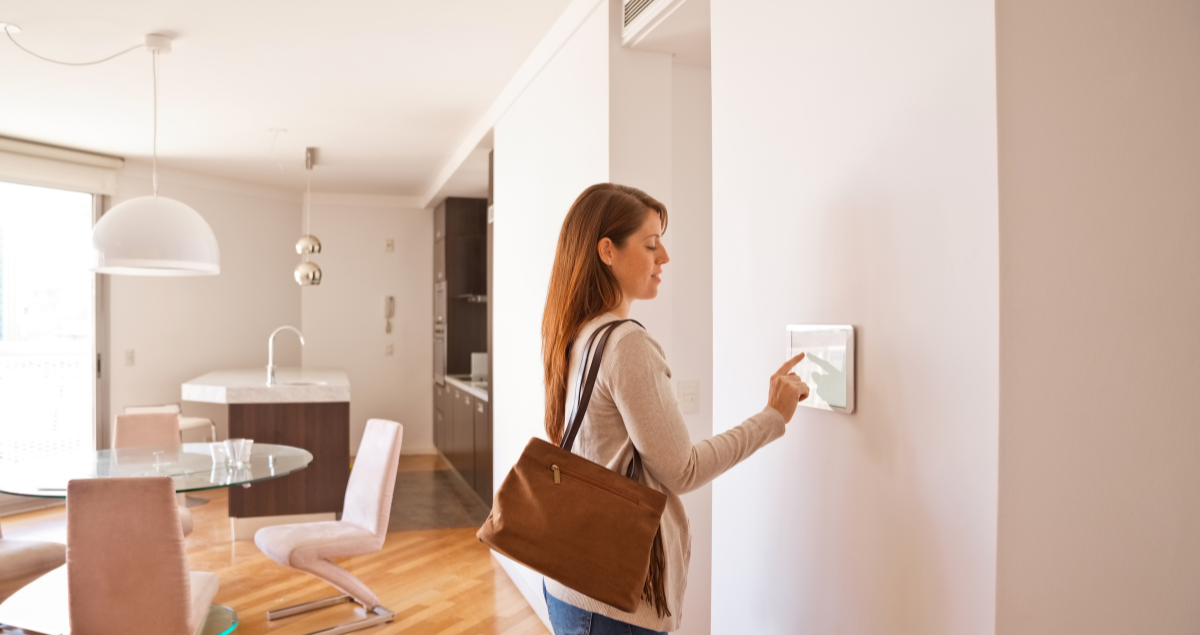
5. Use an Alarm System
- Investing in home security often costs less than recovering losses from stolen items, property damage or forced entry repairs.
- If you have an alarm system, remember to set it.
- Visible signs that you have an alarm system help. Even if the system isn’t monitored, the presence of stickers or signs is a deterrent.
6. Set Up Security Cameras
- Place cameras where they’re easily seen from the street or entry points. Burglars are less likely to target a home with visible surveillance.
- Cameras that trigger lights or alerts when motion is detected can startle intruders. Some send real-time notifications to your phone for immediate awareness.
- Install cameras at front and back doors, garage entrances and ground-level windows.
7. Neighborhood Collaboration
- Join or start a neighborhood watch program. Keeping an eye on what’s going on around you increases the chance someone will report suspicious behavior.
- Get to know your neighbors. If someone knows you’re away, they can keep an eye out.
8. Secure Valuables and Avoid Hiding Keys
- Place valuables in a safe and store serial numbers/photos of important items.
- Don’t put valuables where they can be seen from the window, especially items that can be easily carried.
- Lower blinds and close curtains so that people cannot look into your home.
- Don’t hide keys under mats, pots or in obvious outdoor places.
9. Garage and Outbuilding Security
- Keep garage doors closed and locked. The door from garage to house should also be secured.
- Don’t leave ladders outside. Keep any tools that could be used to break into your home safely locked away in a garage or shed.
- Lock your car doors. An unlocked car is an easy target for vehicle theft.
10. Conduct Routine Checks
- Check locks, windows and doors periodically for wear and tear so nothing becomes an easy entry point.
- Make sure outside lighting works: replace bulbs, fix broken fixtures.
Keep your home and your family safe. Download this checklist to strengthen your property against burglary.
The Nightly 9 P.M. Routine
The 9 p.m. routine recognizes that many burglaries happen at night when homes are unattended or unsecured. Homeowners are encouraged to develop simple nightly habits like checking locks, turning on lights and setting alarms to reduce risk. This practical advice encourages a consistent routine, making it an easy and effective way to protect your family, your property and your peace of mind.
The core elements of the 9 p.m. routine are:
- Lock All Entry Points: Ensure doors, windows and garage doors are securely locked.
- Turn On Exterior Lights: Use porch, pathway and motion-activated lights to eliminate dark areas around the home.
- Activate Security Systems: Set alarms, cameras and smart home security features.
- Check for Vulnerabilities: Make sure gates are closed, valuables are out of sight and any packages are secured.
- Review Safety for Residents: Confirm children and pets are safe, and smoke/carbon monoxide detectors are working.
By making these simple preventative steps a nightly habit, you can significantly reduce the risk of burglary in your home.
Crime Prevention Through Landscaping and Environmental Design
Crime Prevention Through Environmental Design (CPTED) is the idea that the way you design, maintain and manage your property can help deter crime. By making small changes, you can reduce opportunities for burglars and increase your family’s safety.
The four key principles of CPTED are:
1. Natural Surveillance: Make it easy for you and your neighbors to see what’s happening around your property.
- Trim trees and shrubs near doors and windows to eliminate hiding spots.
- Maintain clear sightlines from the street to your front door.
- Add motion-sensor or pathway lights around entrances and darker areas.
- Use timers or smart lights to give the appearance of activity when you’re away.
2. Natural Access Control: Limit opportunities for burglars to enter unnoticed.
- Use fencing that defines your space while still allowing visibility.
- Plant thorny bushes under windows to make them harder to access.
3. Territorial Reinforcement: Send a clear message that your home is well-maintained and actively occupied.
- Maintain landscaping, mow lawns and remove clutter—neglected yards can signal vacancy.
- Use hedges, flower beds or low fences to define property boundaries.
- Set up a designated, secure spot for deliveries that’s visible from inside but not from the street.
4. Maintenance: A well-kept home discourages unwanted behavior.
- Regularly check and maintain outdoor lighting.
- Keep landscaping trimmed to prevent overgrowth.
- Repair broken locks, gates or windows quickly to avoid appearing vulnerable.
- Fresh paint, tidy landscaping and functional fixtures communicate that your home is monitored.
Keeping your home safe with CPTED principles is about more than curb appeal. It’s about turning your property into a place that criminals don’t want to burglarize. By combining smart design with consistent upkeep, you make your home harder to target and easier to protect.
Partner With Local Law Enforcement
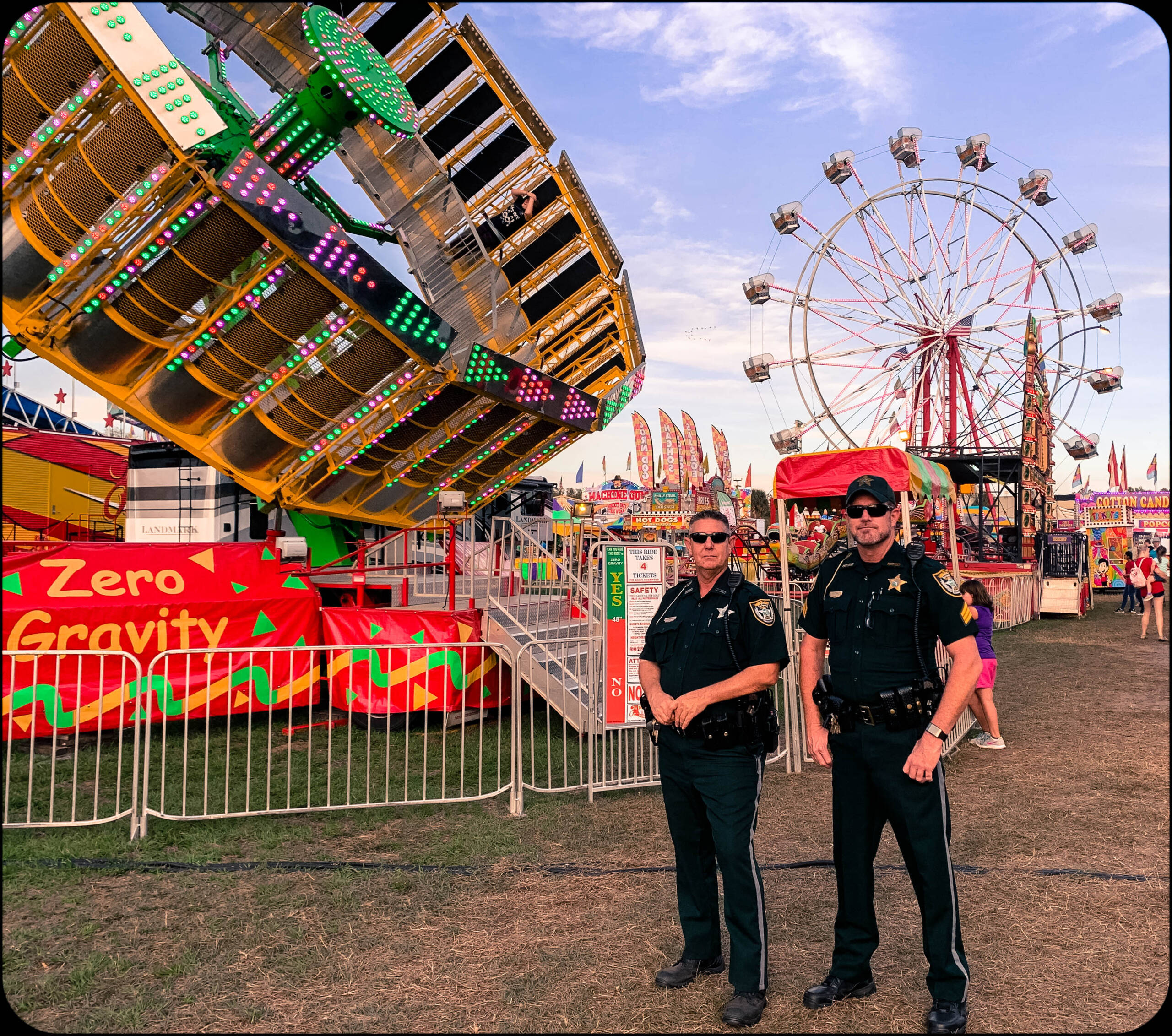
Several sheriff’s offices across Florida offer programs that offer home security inspections or residential checks, often through their crime prevention units. If your county is not listed, contact your local sheriff’s office using the Florida Sheriff’s Association directory.
| SHERIFF’S OFFICE | PROGRAM | KEY FEATURES |
|---|---|---|
| Osceola County Sheriff’s Office | Home Security Inspections | Trained crime prevention officers inspect homes for vulnerabilities and offer advice on inexpensive ways to reduce burglary risks. Free service. |
| Leon County Sheriff’s Office | Residential Security Survey | Certified deputies perform detailed surveys of your home and suggest safety/security improvements. Available free to Leon County residents. |
| Brevard County Sheriff’s Office | Security Surveys | Crime Prevention Unit visits the property, identifies potential security weaknesses (for homes/churches/businesses), gives recommendations and provides an outdoor sign free of charge. |
| Madison County Sheriff’s Office | Residential Check | Deputies monitor homes while owners are away. |

About the Florida Sheriffs Association
Founded in 1893, the Florida Sheriffs Association was established to unite Florida’s sheriffs in advancing public safety, shaping legislation and fostering collaboration among law enforcement agencies. Over the decades, FSA has grown into a powerful advocate for law enforcement, providing training, resources and support to ensure the protection and security of Florida’s communities.
The Florida Sheriffs Association helps you stay informed on the latest law enforcement initiatives, public safety updates and the work of Florida’s sheriffs. From in-depth blogs to legislative news and community programs, we keep you connected to the issues that matter. Explore more at flsheriffs.org and stay engaged with Florida’s law enforcement community.