




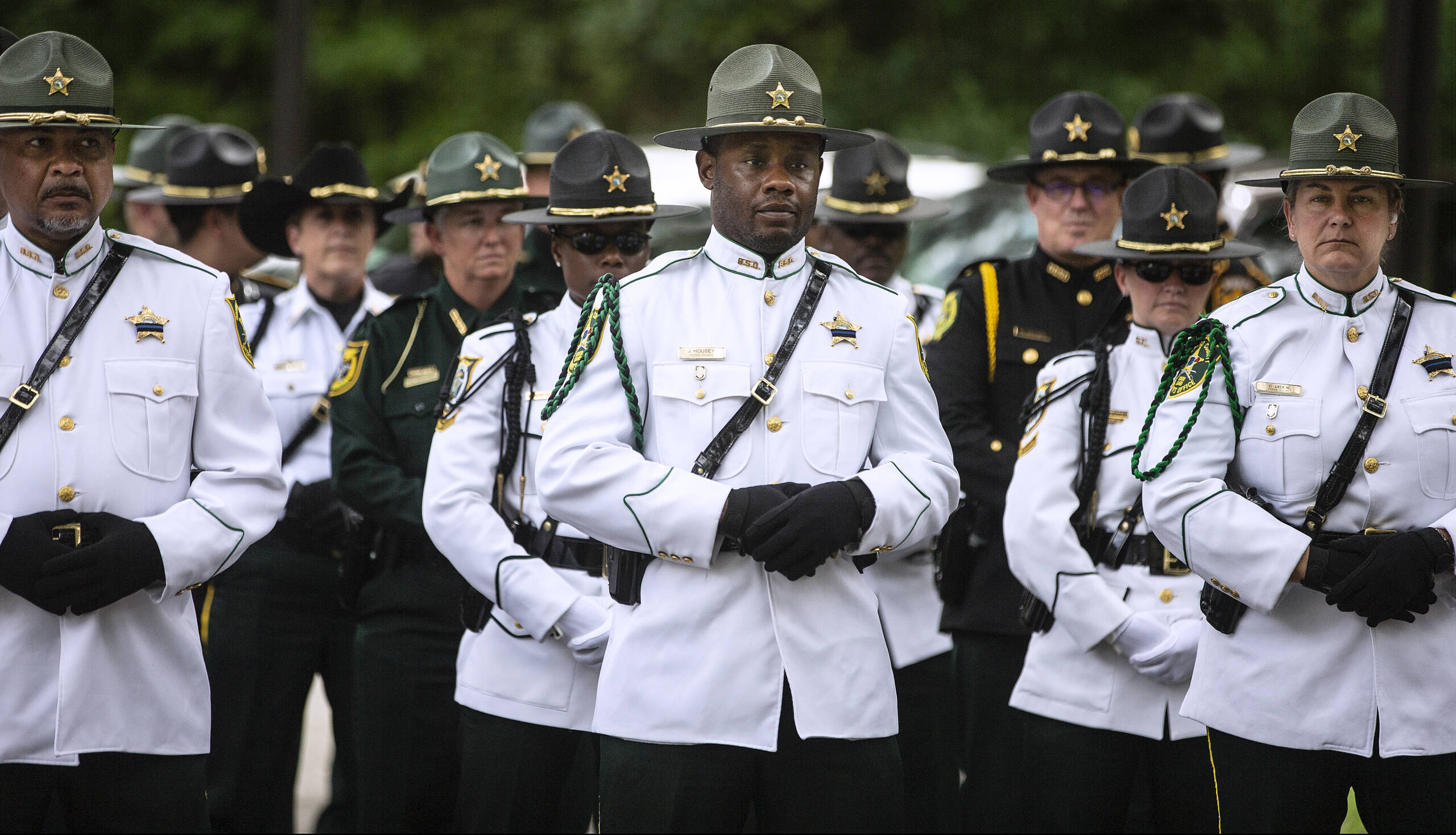
Church Safety: Strengthening Communities Through Training and Partnership
For generations, houses of worship have stood as places of refuge, community, and peace. Churches, synagogues, mosques, and other faith communities open their doors to members, visitors, and strangers alike. That openness is one of their greatest strengths, but in today’s environment, it can also create vulnerabilities.
As conversations around church safety continue to grow across Florida, many religious organizations are recognizing the importance of protecting Florida’s houses of worship while still preserving the welcoming spirit that defines them. Effective church safety measures help faith communities prepare for potential threats, safeguard congregants, and ensure these sacred spaces remain places of comfort, worship, and connection.
Florida Church Safety Laws
Effective July 1, 2026, Florida’s SB 52 exempts individuals who voluntarily and without compensation provide armed security services on the premises of a church, mosque, synagogue, or other place of worship from the licensing and regulatory requirements in Chapter 493, for private security, investigative, and recovery services. The legislation was primarily designed to provide clarity around an exemption from existing licensure requirements under Chapter 493, which previously required armed security personnel to hold a professional Class “G” statewide firearm license. This change reduces barriers for religious institutions seeking to enhance safety.
Importantly, SB 52 does not require any place of worship to establish a security team. Each religious institution retains full discretion to determine whether a volunteer safety or security program is appropriate for its congregation and community needs.
The law does not require that local sheriffs’ offices approve, design, or administer security plans for places of worship. While some churches may choose to coordinate with local law enforcement, sheriffs are not obligated to provide guidance or establish programs under the statute.
Instead, decision-making authority remains fully with each individual house of worship.
A Proven Model for Modern Church Safety
Florida’s School Guardian Program is one of the state’s key public safety initiatives and provides a helpful reference point for understanding the SB 52 church security framework. Created in response to the 2018 tragedy at Marjory Stoneman Douglas High School, the program was designed to place trained, vetted personnel in schools who can respond quickly in the event of a critical incident.
At its core, the Guardian Program operates under a sheriff-led model, with local sheriffs responsible for training, certification, and oversight. That same structure helped shape SB 52, which applies a similar approach to houses of worship by allowing vetted volunteers to serve in a defined security role under specific legal requirements. While school guardians undergo extensive training, SB 52 establishes requirements tailored to faith-based settings, including a concealed carry license, state-approved training, and background screening.
For many congregations, the Guardian Program offers a useful blueprint for understanding how SB 52 may function in practice. It also highlights a potential overlap in personnel — individuals who already serve as certified school guardians have already met rigorous training and vetting standards, making them natural candidates for church safety roles under the new law.
The Florida Sheriffs’ Role in Church Safety
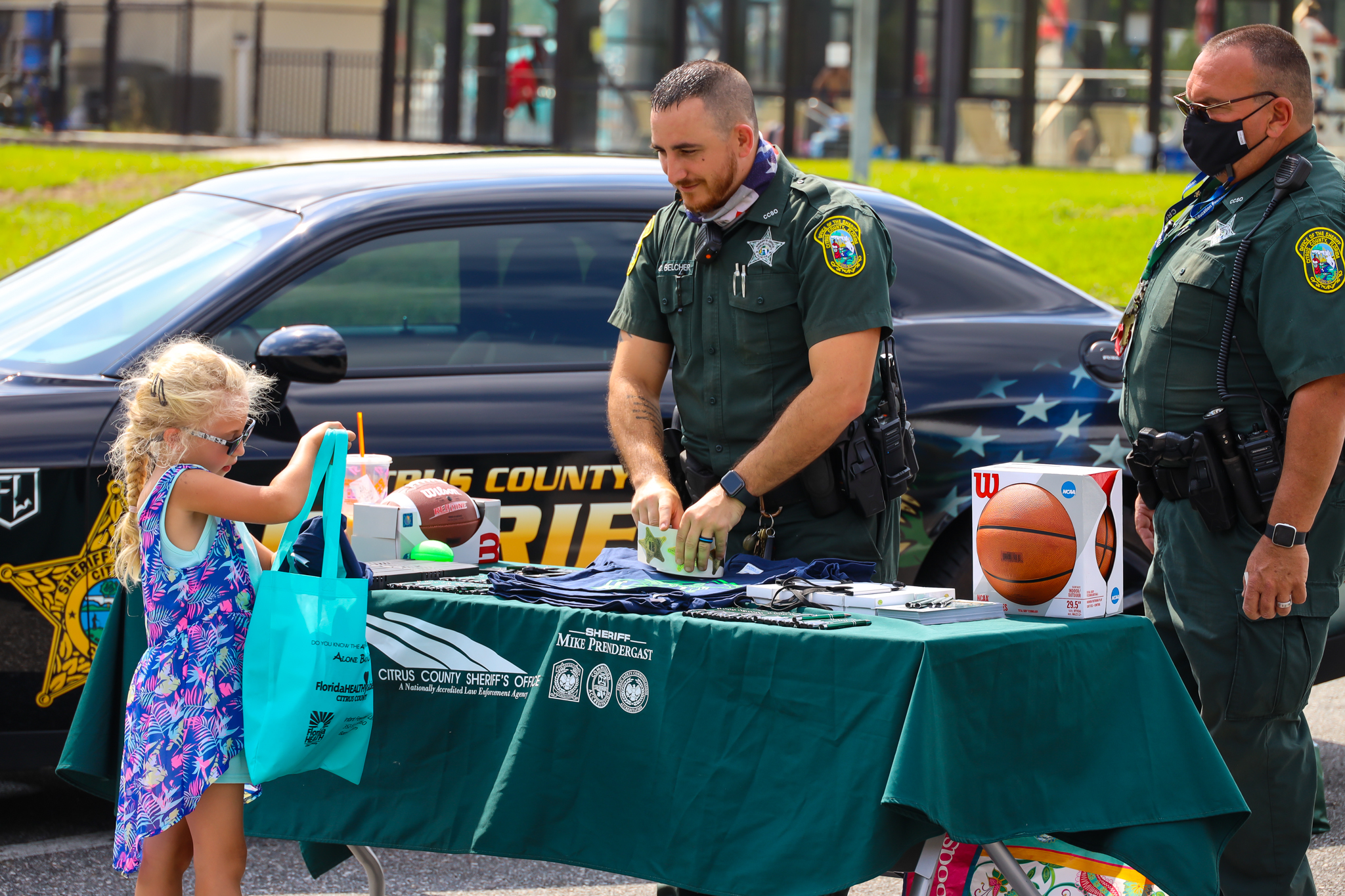
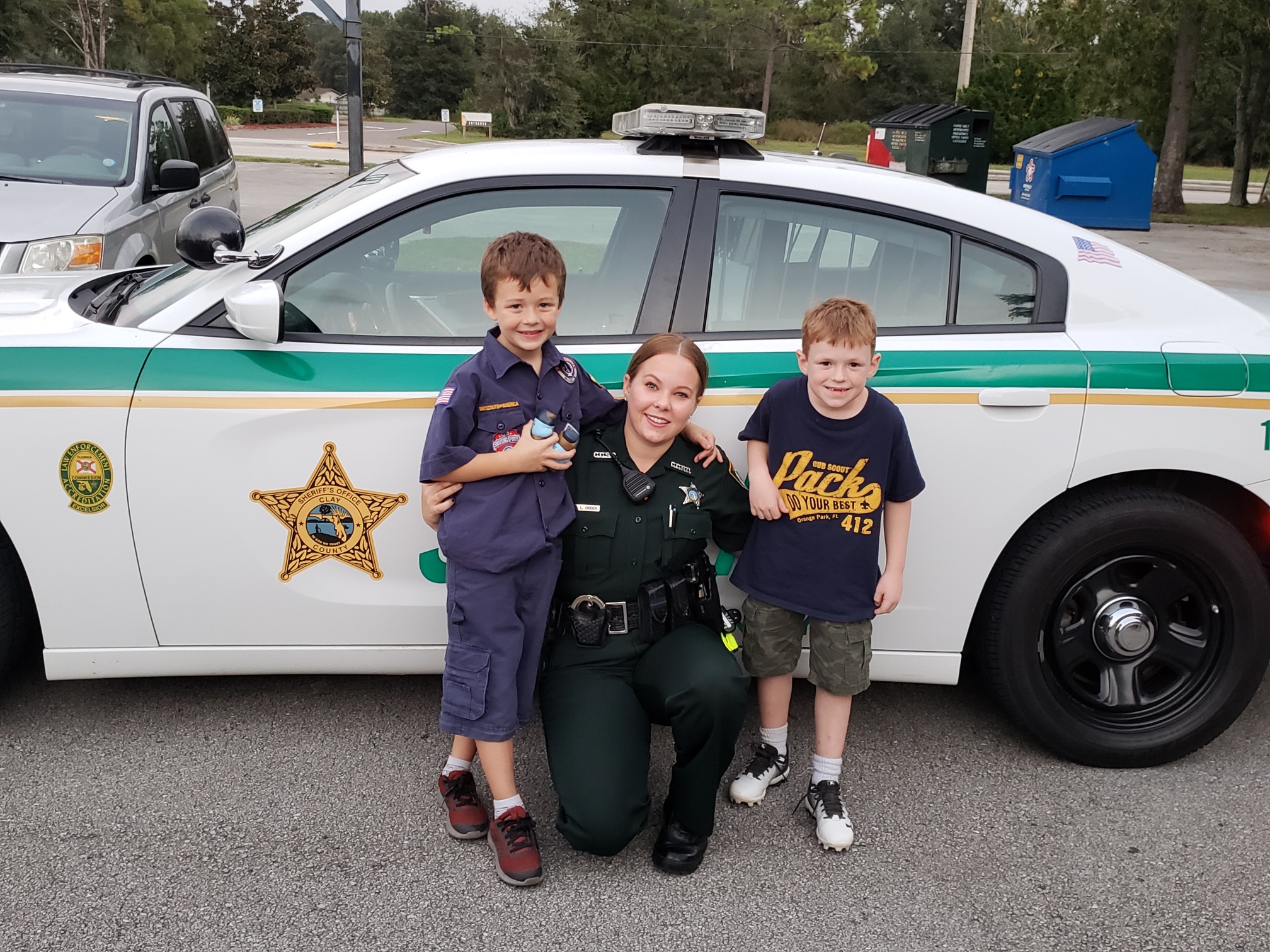
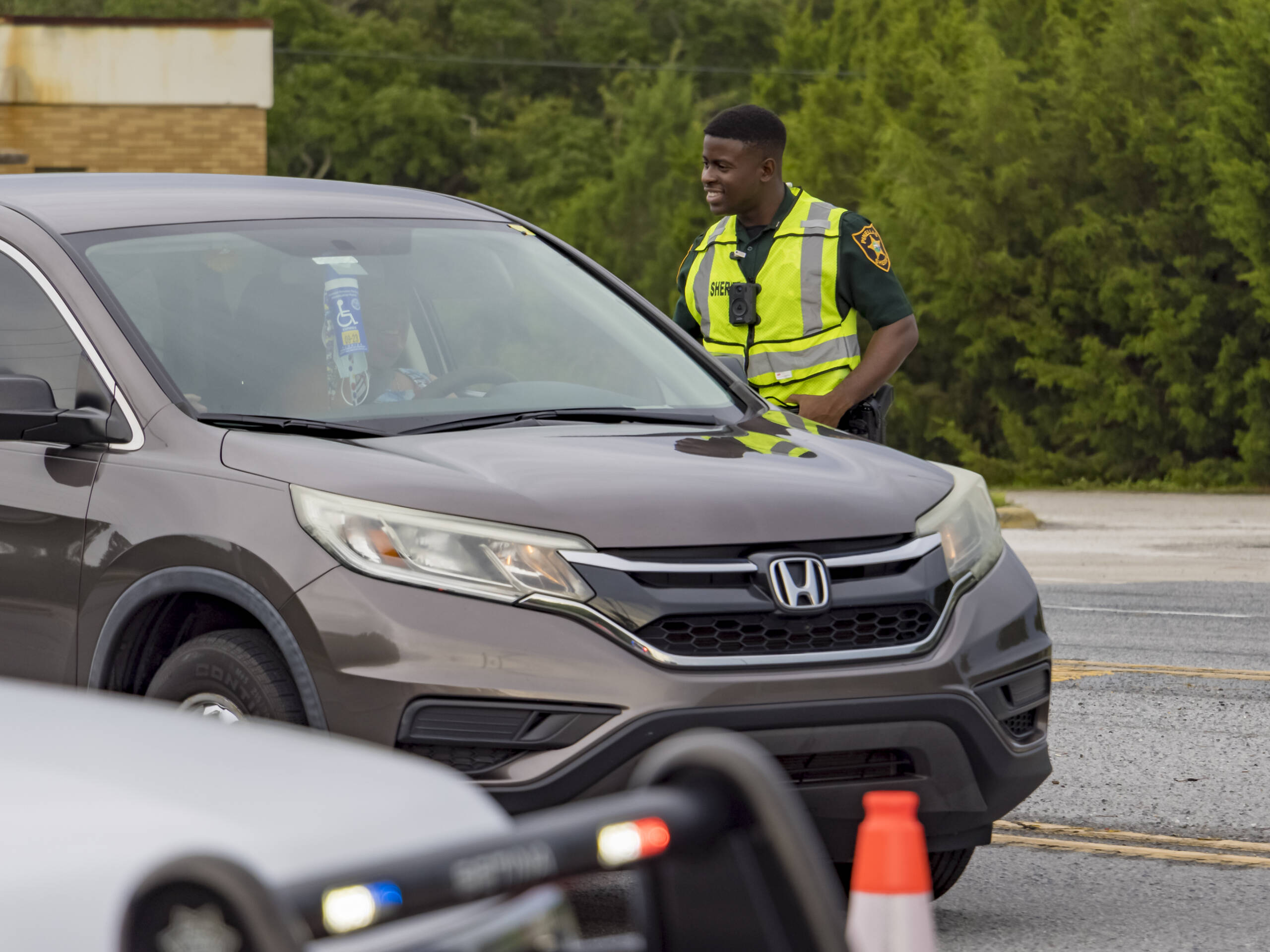
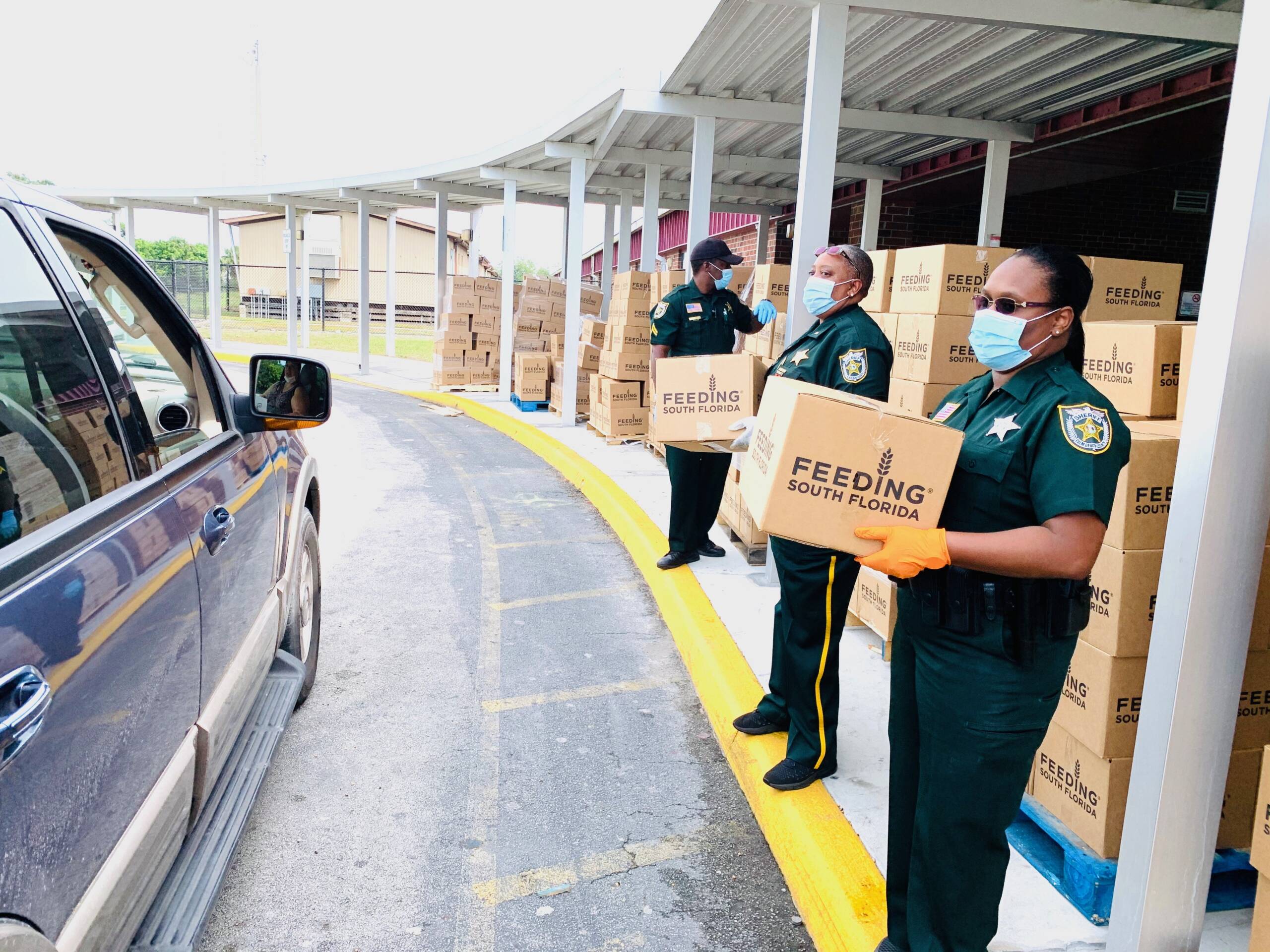
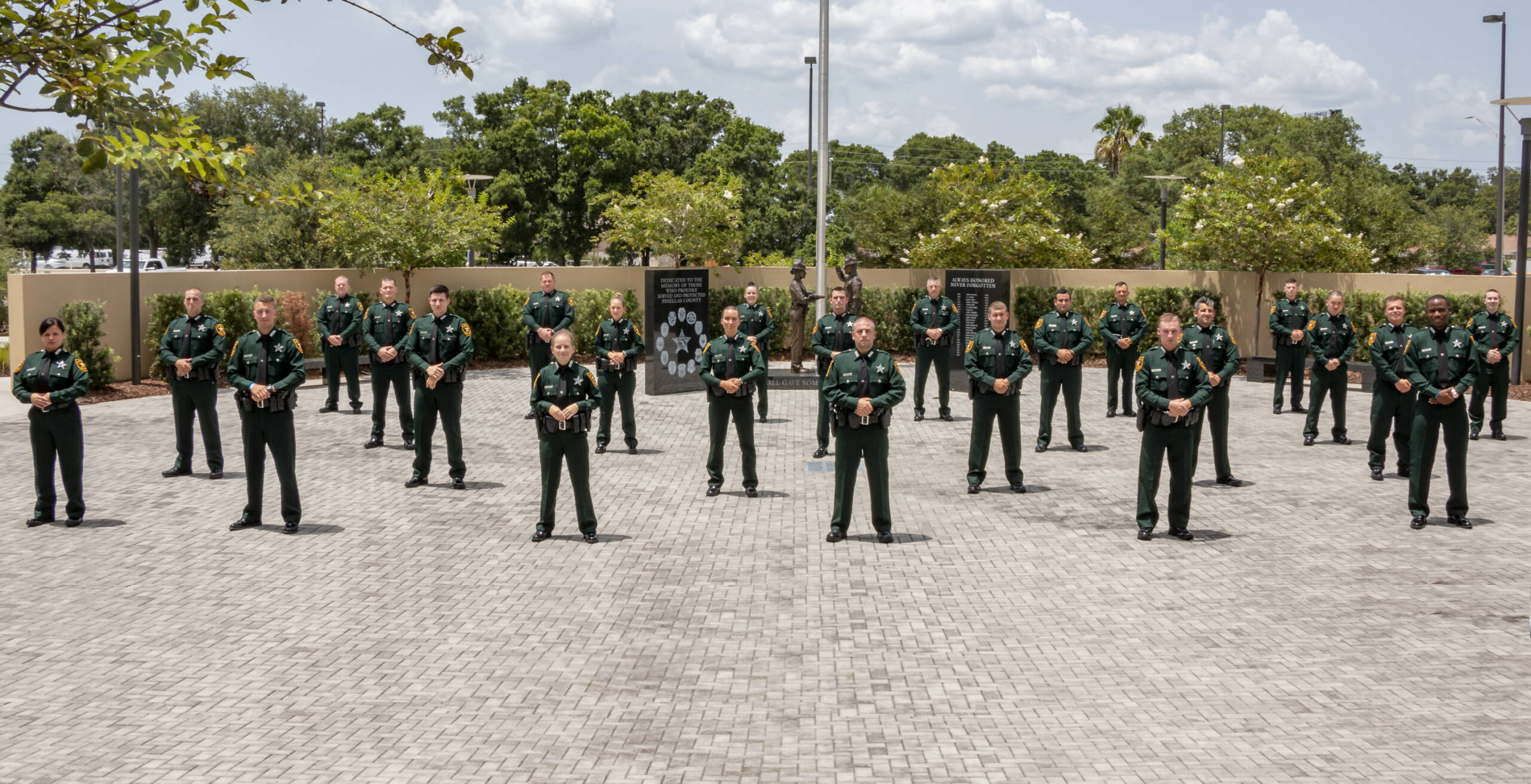
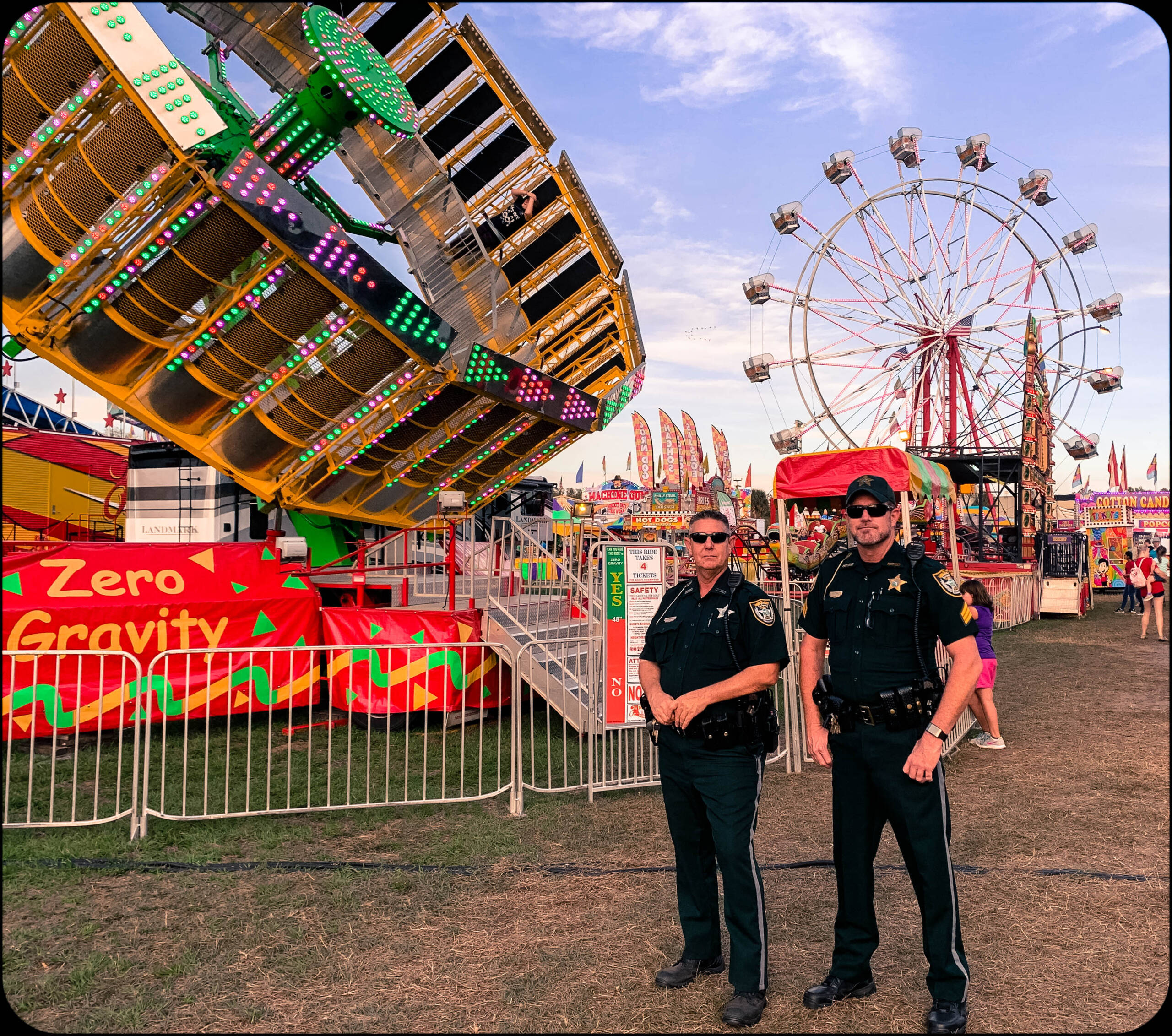
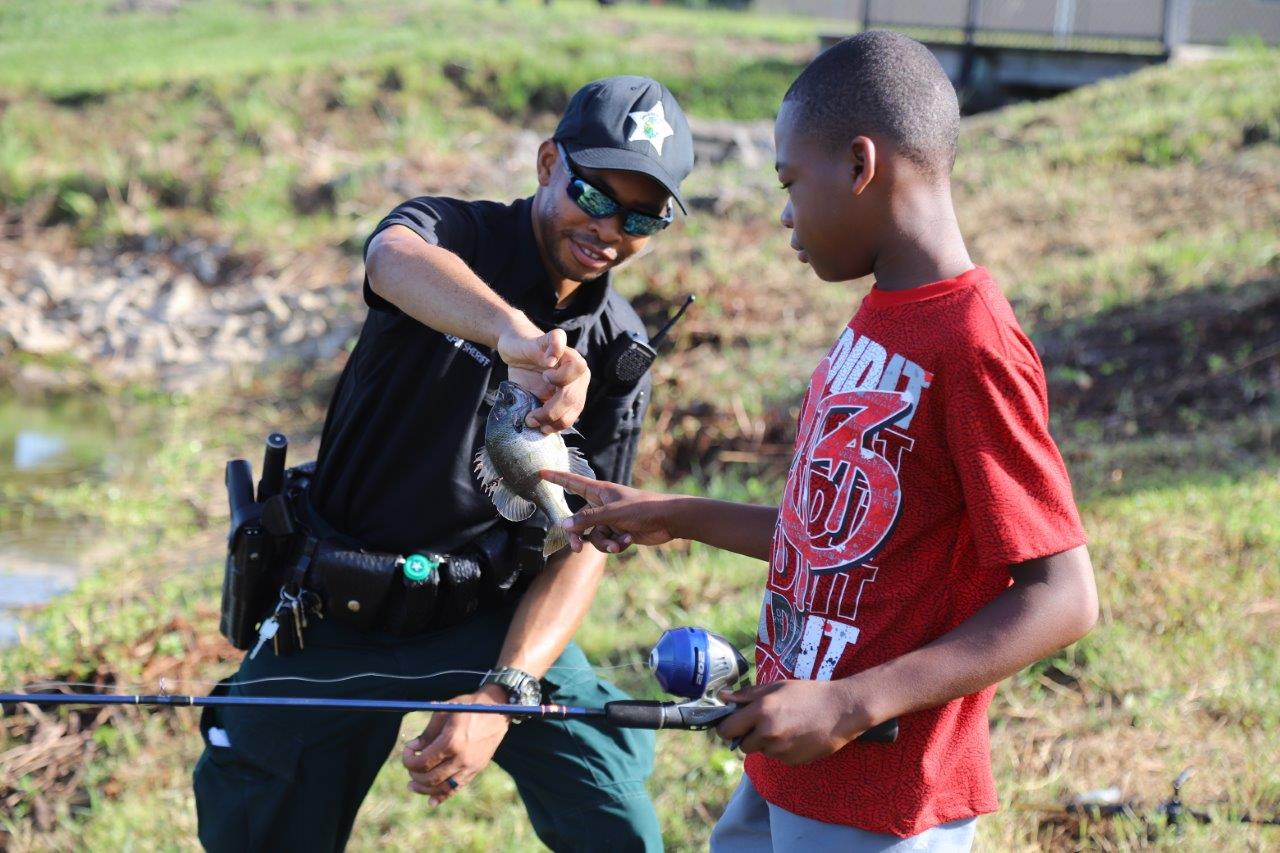
Florida sheriffs have long partnered with businesses, schools, houses of worship, and other community organizations to strengthen safety, preparedness, and emergency response efforts. Through training, security assessments, crime prevention resources, and ongoing collaboration, sheriffs’ offices provide valuable expertise to help organizations identify vulnerabilities, develop safety plans, and prepare for potential threats. Some of the best practices encouraged by law enforcement include:
- Designating a security point of contact within the congregation—ideally an active or retired law enforcement officer, military veteran, or a trained congregation member—who can serve as the church’s safety champion and primary liaison to law enforcement.
- Building relationships with local law enforcement agencies and inviting them to participate in safety assessments, training exercises, drills, and emergency protocol development.
- Maintaining up-to-date emergency plans and ensuring key law enforcement contacts are readily available to facilitate rapid communication and response when needed.
By working together, houses of worship and local law enforcement can create safer environments while preserving the welcoming and community-focused mission of their congregations.
The Role of Chaplains in Church Safety and Recovery
Church safety is not limited to security plans, volunteer teams, and emergency procedures. Recovery and resilience are also important parts of preparedness. Florida sheriffs’ offices frequently rely on trained chaplains to help individuals and communities navigate trauma, loss, and uncertainty following critical incidents, providing support that extends beyond the immediate emergency.
Law enforcement chaplains are trained spiritual and emotional support personnel who serve deputies, agency staff, first responders, and their families. Far more than spiritual advisors, chaplains provide confidential guidance, counseling, prayer, and assistance during difficult circumstances while helping agencies strengthen wellness, resilience, and community relationships.
The Florida Sheriffs Association (FSA) supports the training and development of volunteer and staff law enforcement chaplains throughout Florida. Through partnerships with local sheriffs’ offices and statewide training opportunities, FSA helps equip chaplains with the specialized skills needed to support both law enforcement personnel and the broader community. Training topics commonly include:
- Understanding law enforcement culture and the stresses deputies face
- Providing support during critical incidents and emergencies
- Assisting with line-of-duty deaths, injury notifications, grief support, and survivor care
- Maintaining confidentiality while navigating agency policies and ethics
- Supporting first responder mental health and wellness
- Building strong relationships between chaplains, agencies, and local communities
In 2025, FSA partnered with the Palm Beach County Sheriff’s Office and Palm Beach County Parks and Recreation to host its first Chaplaincy Training Expo, demonstrating the Florida sheriffs’ ongoing commitment to the spiritual wellbeing of agency members and the law enforcement community as a whole. The statewide training event included:
- More than 100 attendees from sheriffs’ offices and police departments across Florida
- 18 instructional sessions focused on chaplaincy and crisis response
- 13 chaplain and pastoral instructors
- Multidenominational panel discussions and collaborative learning opportunities
By supporting chaplain training initiatives across the state, the Florida Sheriffs Association helps ensure chaplains are prepared to respond with professionalism, compassion, and care when agencies and communities need them most.
Church Safety FAQs
Why is church safety becoming a larger concern?
Churches and other houses of worship are designed to be welcoming spaces, which can also make them vulnerable to emergencies and security threats. As awareness of safety concerns continues to grow nationwide, many Florida faith communities are taking proactive steps to improve preparedness, protect congregants, and create safer environments for worship and community gatherings.
Does every church need a safety team?
Every house of worship should have some level of church safety planning in place, even if it is a small congregation. While not every church may need a large or formal security team, having trained volunteers, emergency procedures, and clear communication plans can help improve preparedness and protect congregants during emergencies.
What training should volunteers receive?
Church safety volunteers should receive training in emergency response procedures, de-escalation techniques, communication protocols, situational awareness, and first aid or CPR. Depending on their role, some volunteers may also complete background checks and additional security or firearm training in accordance with Florida law and local agency guidance.
What should a church emergency plan include?
A church emergency plan should outline clear procedures for responding to a variety of situations, including medical emergencies, severe weather, fires, missing children, suspicious activity, and active threats. Plans should identify evacuation routes, shelter locations, emergency contacts, communication procedures, and roles for staff and volunteers. Churches should also establish reunification procedures to help families reconnect safely after an emergency.
How often should emergency plans be reviewed?
Church emergency and safety plans should be reviewed regularly, typically at least once a year. Plans should also be updated whenever there are staffing changes, facility modifications, new security concerns, or after conducting drills or responding to an incident.
Should churches conduct safety drills?
Yes. Regular safety drills help church staff, volunteers, and congregants become more familiar with emergency procedures and improve confidence during stressful situations. Drills may include fire evacuations, severe weather response, medical emergency scenarios, and communication exercises. Churches should conduct drills in a calm and organized manner that promotes preparedness without creating fear or disruption.
How can churches balance safety with a welcoming atmosphere?
Church safety and hospitality can work together. Many churches focus on creating visible but approachable safety measures that help congregants feel protected while maintaining a warm and welcoming environment. Greeters, trained volunteers, clear communication, and thoughtful security planning can help churches remain open and inviting while also improving preparedness and awareness.
How can smaller churches improve safety on a limited budget?
Smaller churches can strengthen church safety through low-cost measures such as developing emergency response plans, training volunteers, improving lighting and entry procedures, building relationships with local law enforcement, and conducting regular safety drills. Many agencies and organizations also offer free or low-cost safety resources and training opportunities for faith communities.
What should churches do after a critical incident?
After a critical incident, churches should focus on communication, emotional support, and recovery. Leaders may work closely with law enforcement, emergency responders, chaplains, and mental health professionals to support victims, families, staff, and congregants. Providing counseling resources, prayer support, community updates, and opportunities for healing can help congregations process traumatic events and begin recovery together.
Can churches partner with local sheriff’s offices for safety assessments?
Yes. Many Florida sheriffs’ offices work directly with churches and faith communities to help improve preparedness and security planning. These partnerships may include safety assessments, emergency planning guidance, active threat preparedness training, and recommendations for improving communication and facility security. Building relationships with local law enforcement can strengthen emergency readiness and community trust.
How are Florida law enforcement agencies partnering with faith communities?
Florida law enforcement agencies work closely with churches and faith leaders to strengthen emergency preparedness and community trust. These partnerships may include safety assessments, training opportunities, emergency planning assistance, active threat response guidance, and community outreach programs designed to improve communication and coordination during emergencies.
What training is available for church leaders and volunteers?
Church leaders and volunteers can participate in a variety of safety and preparedness training programs, including emergency response planning, situational awareness, de-escalation techniques, CPR and first aid, communication protocols, and active threat preparedness. Some agencies and organizations also offer specialized church safety seminars and workshops tailored to houses of worship.
What are the laws regarding church security in Florida?
Florida law allows houses of worship to implement security measures to help protect congregations and staff. Beginning July 1, 2026, SB 52 compensation provide armed security services on the premises of a church, mosque, synagogue, or other place of worship from the licensing and regulatory requirements in Chapter 493, for private security, investigative, and recovery services.
What role do chaplains play during emergencies?
Chaplains provide emotional and spiritual support during and after emergencies. They may assist victims, families, congregants, and first responders by offering counseling, prayer, grief support, crisis guidance, and comfort during difficult situations. Chaplains also help communities begin the healing process after traumatic events.
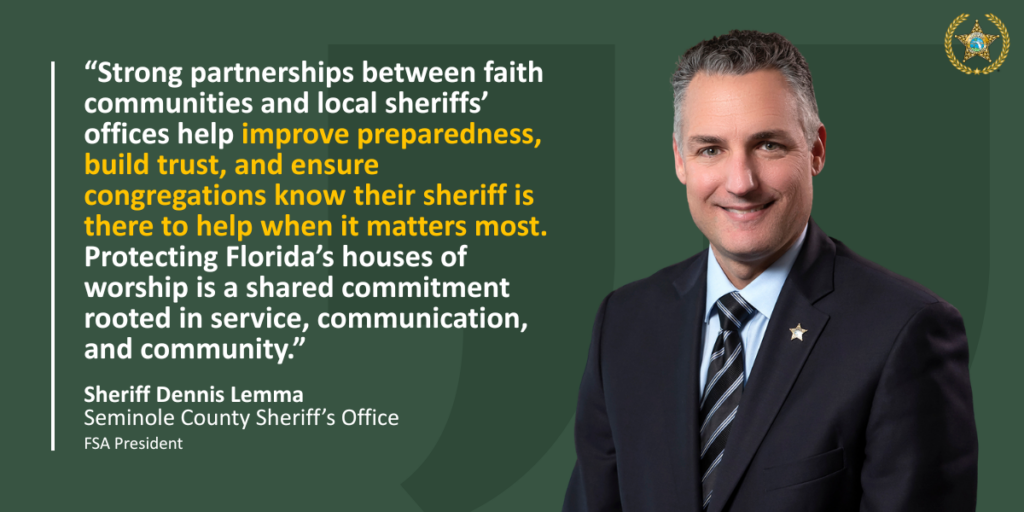
Supporting Church Safety Efforts
Church safety should not be rooted in fear, but in preparation and care for the well-being of congregations and communities. Effective safety planning goes beyond physical security measures to include communication strategies, crisis response coordination, and emotional and spiritual support during difficult situations. Strong partnerships between churches and law enforcement agencies also help build trust and improve emergency readiness.
Through chaplain training opportunities and other resources, the Florida Sheriffs Association, along with local sheriffs’ offices, supports efforts to equip faith and community leaders to respond effectively, compassionately, and confidently when challenges arise. Churches and faith leaders can strengthen preparedness efforts by:
- Learning more about church safety through their local sheriff’s office
- Reviewing and updating emergency preparedness and communication plans
- Building partnerships with local law enforcement agencies
- Exploring chaplain training opportunities to better support congregations and communities
About the Florida Sheriffs Association
Founded in 1893, the Florida Sheriffs Association was established to unite Florida’s sheriffs in advancing public safety, shaping legislation, and fostering collaboration among law enforcement agencies. Over the decades, FSA has grown into a powerful advocate for law enforcement, providing training, resources, and support to ensure the protection and security of Florida’s communities.
The Florida Sheriffs Association will help you stay informed on the latest law enforcement initiatives, public safety updates, and the work of Florida’s sheriffs. From in-depth blogs to legislative news and community programs, we keep you connected to the issues that matter. Explore more at flsheriffs.org and stay engaged with Florida’s law enforcement community.