





More Than a Badge: Exploring Careers in Law Enforcement
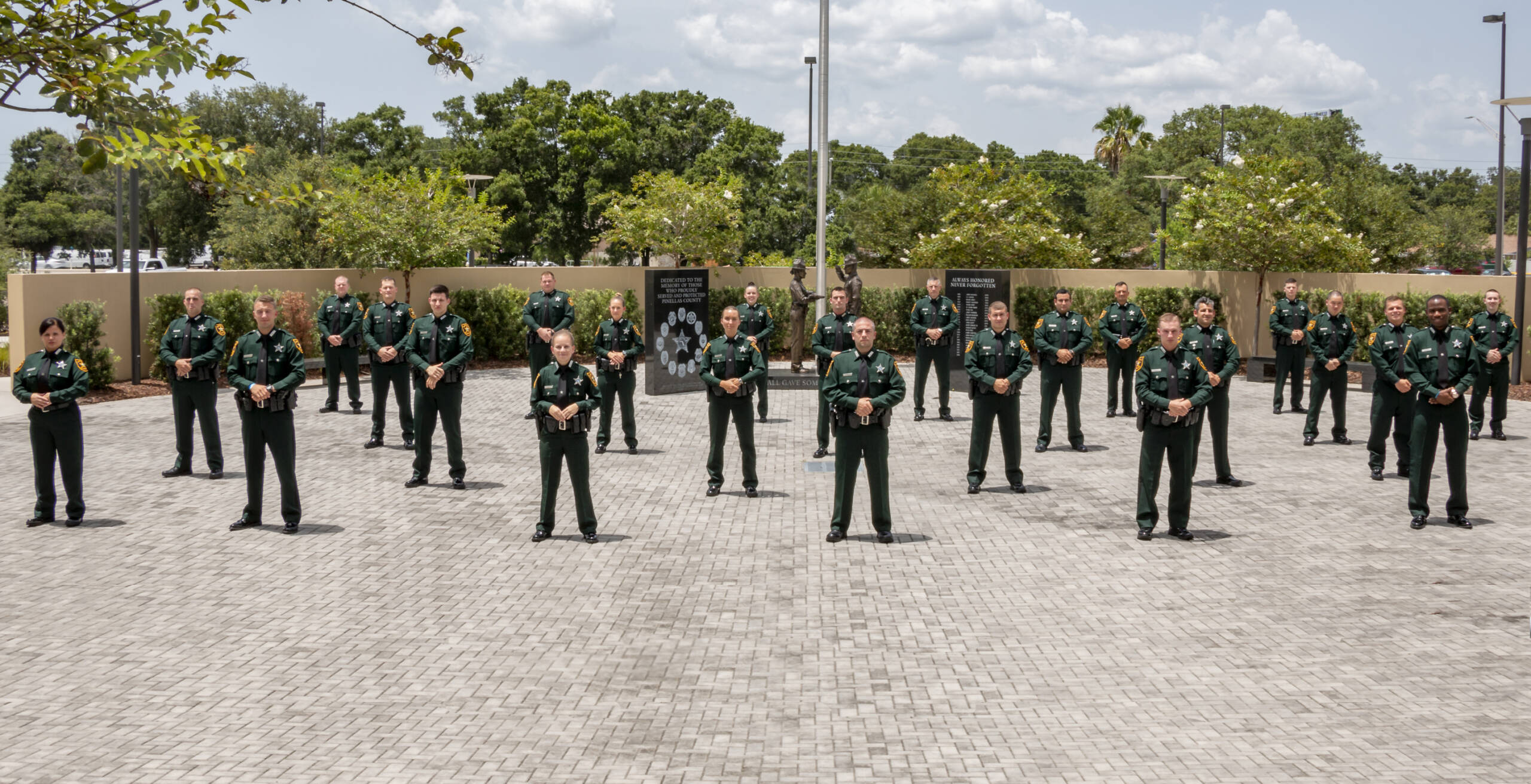
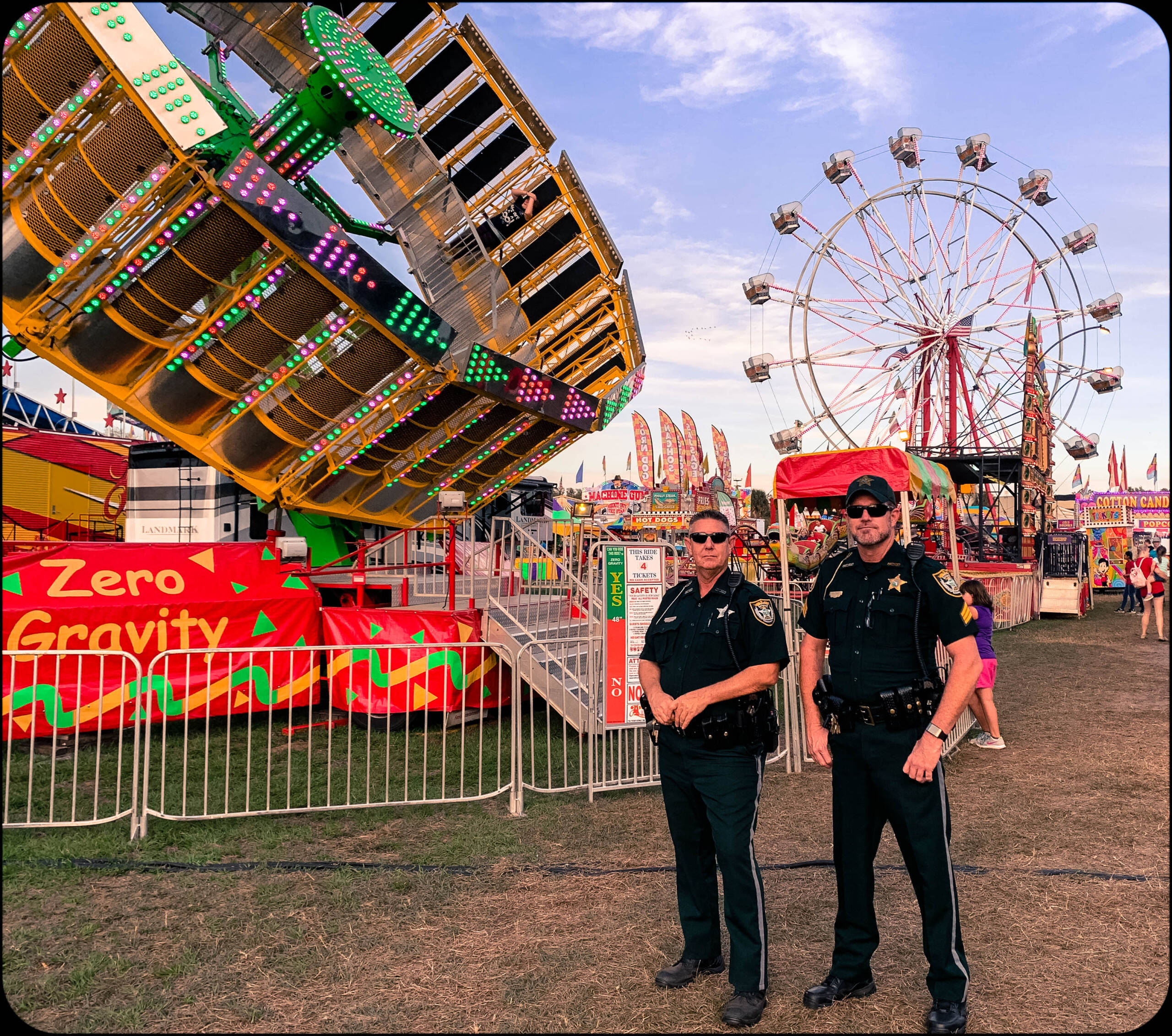
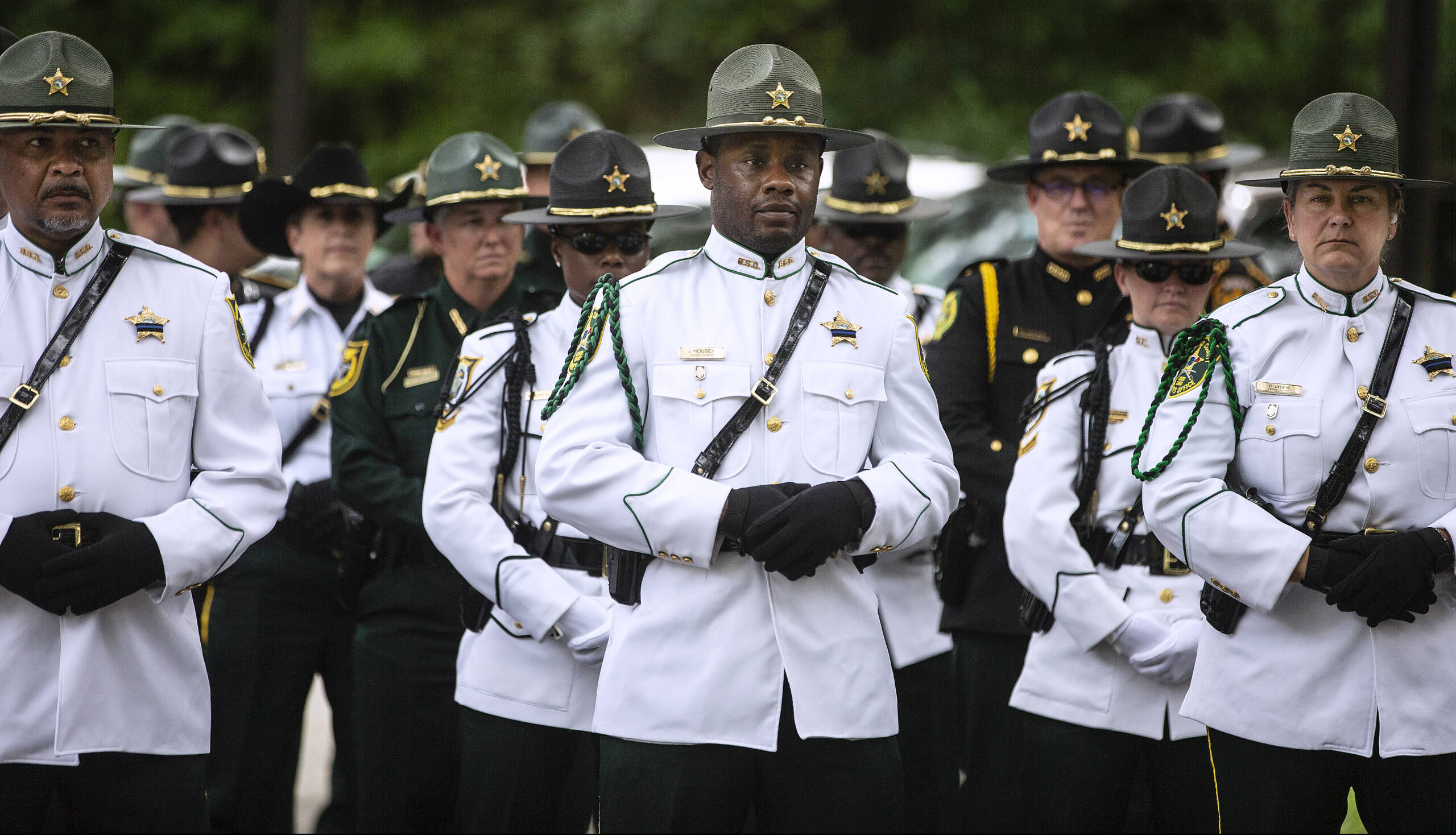
A career in public safety offers more than a job. It offers a chance to serve others, build valuable skills, and make a lasting difference in your community. For some, that may mean becoming a law enforcement officer. For others, it could mean working as a 911 dispatcher, crime scene investigator, correctional deputy, communications professional, or in one of the many other roles that support a sheriff’s office.
Public safety needs people with different interests, talents, and backgrounds. Whether you’re preparing for your first career, considering a career change, or looking for a meaningful way to put your experience to work after retirement, there are opportunities to explore. The path starts with learning what is possible and discovering where your skills and interests can make the greatest impact.
Why Consider a Career in Law Enforcement?
Public safety careers can offer something that is difficult to find in many professions: a direct connection between your work and the people you serve. Every day can bring something different. One day might involve helping someone through an emergency. Another might involve investigating a case, responding to a call, working with young people, or solving a problem behind the scenes.
These careers can also help you develop skills that extend far beyond the workplace, including:
- Communication
- Critical thinking
- Teamwork
- Leadership
- Decision-making
- Emotional control
- Good judgment
Most importantly, public safety is about people. Whether you’re responding to an emergency, helping solve a crime, answering a 911 call, or keeping a correctional facility running safely, your work can have a real impact on someone’s life.
It’s More Than Being a Deputy
A sheriff’s office is much more than the people you see on patrol.
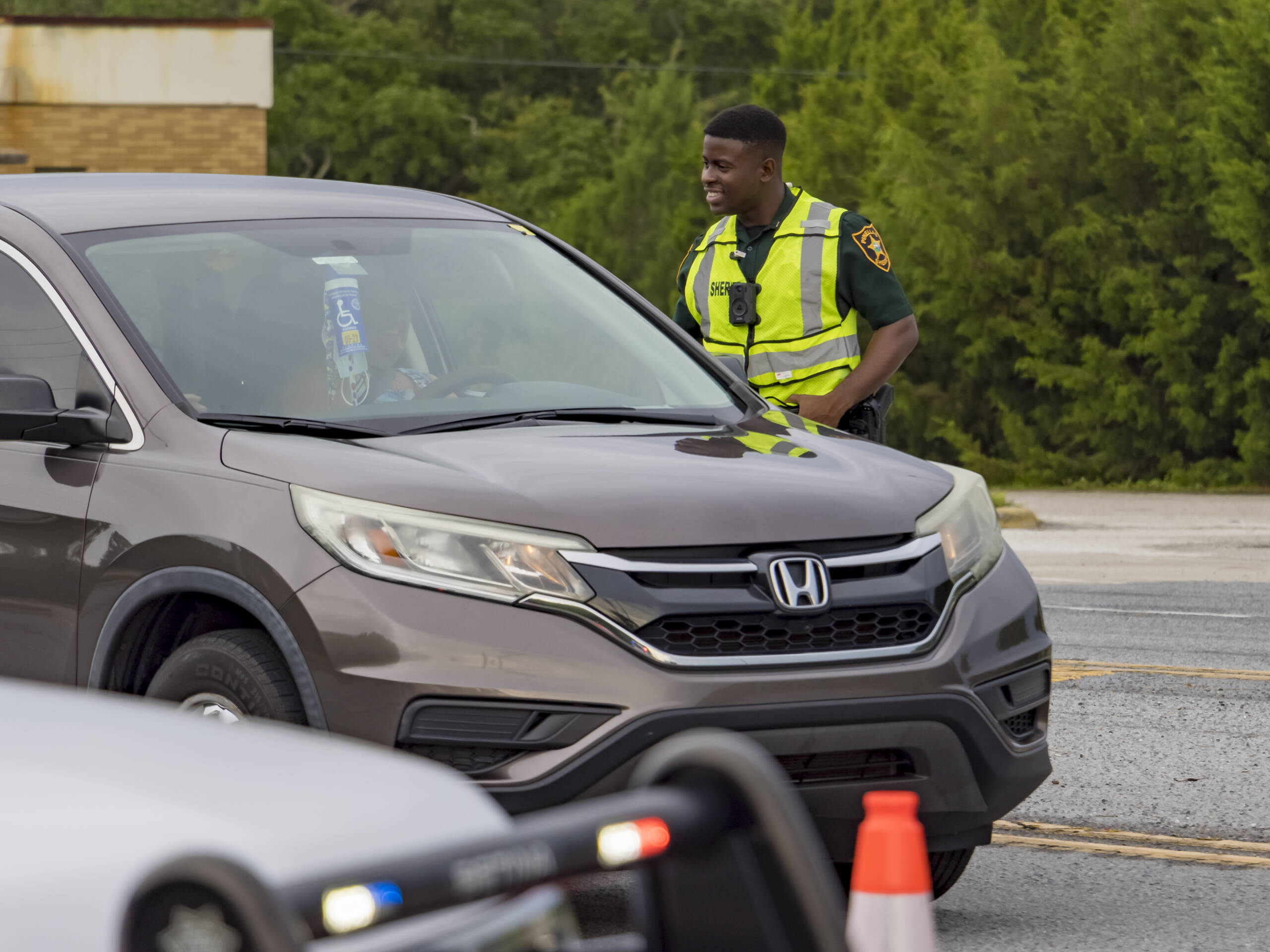
- Law enforcement officers respond to calls, conduct investigations, enforce the law, and work with communities to help keep people safe.
- Correctional deputies help maintain safety and security in correctional facilities while working with people in custody.
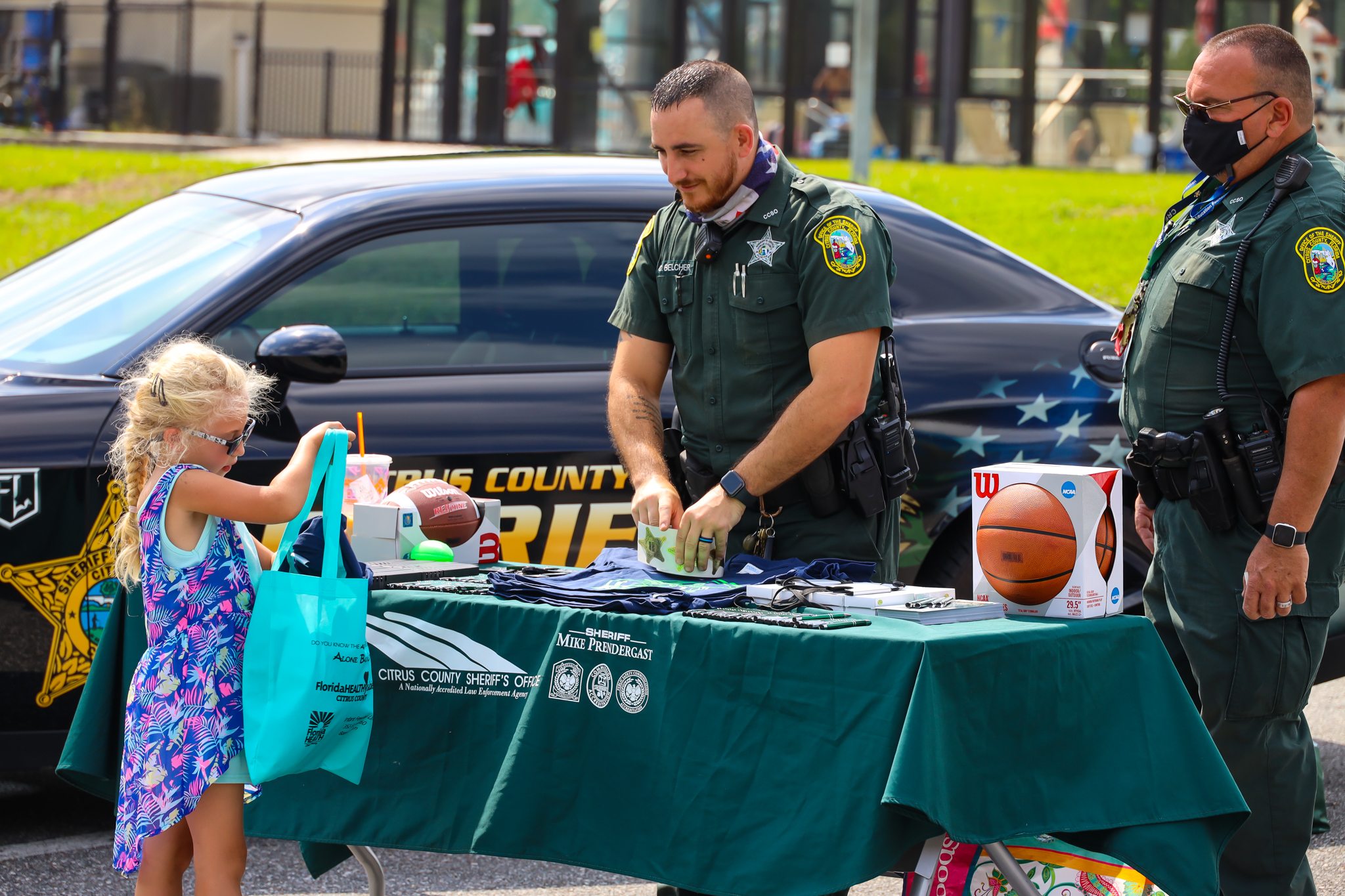
- School resource officers help keep schools safe by building relationships with students and staff, responding to safety concerns, and supporting a positive learning environment.
- Telecommunications professionals answer 911 calls and are often the first point of contact during an emergency. They gather critical information, communicate with responders, and help coordinate the appropriate response.
- Crime scene and evidence professionals may collect, document, and analyze evidence that helps investigators understand what happened.
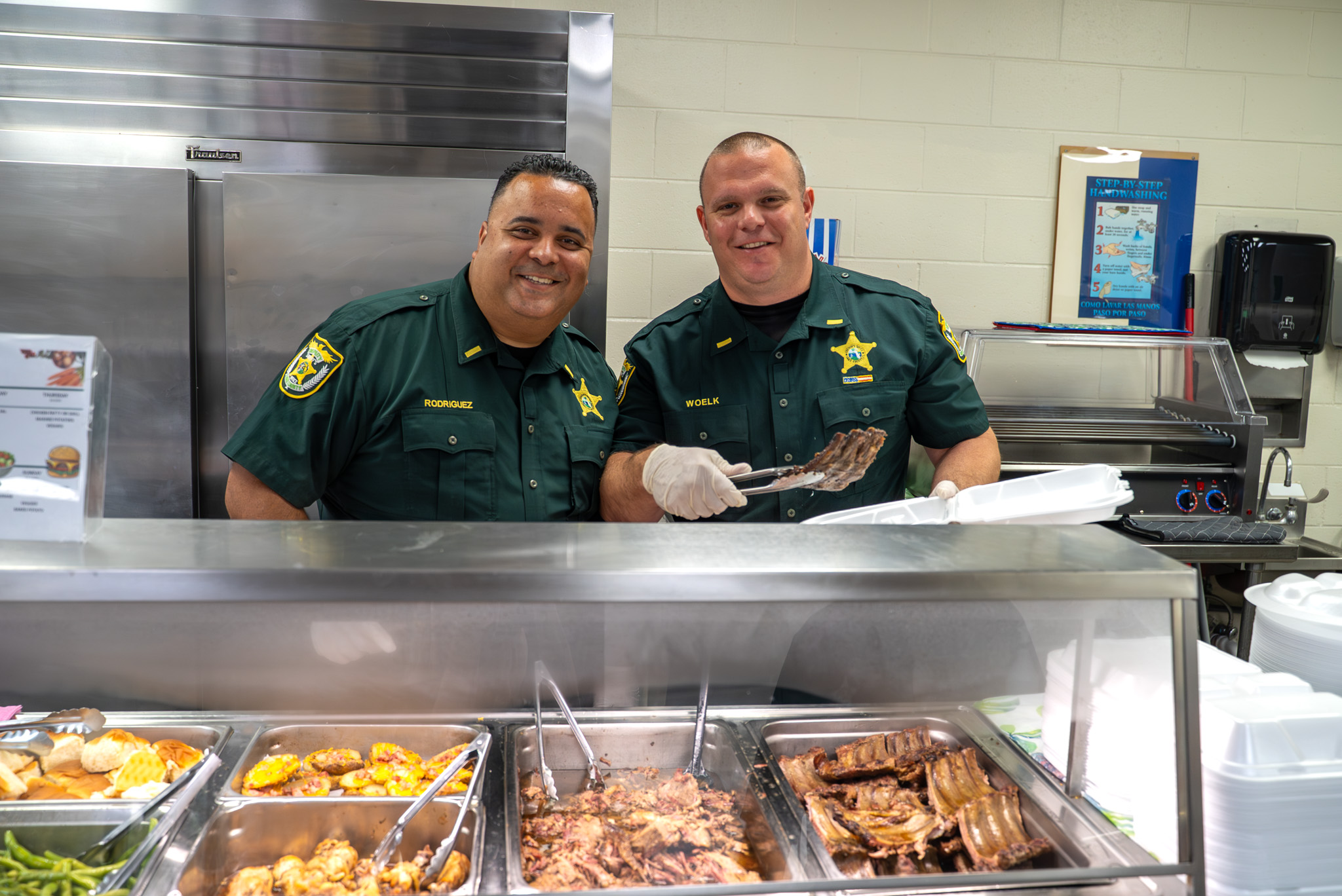
- Communications and administrative professionals help sheriff’s offices function effectively through public information, technology, records, finance, human resources, and other essential services.
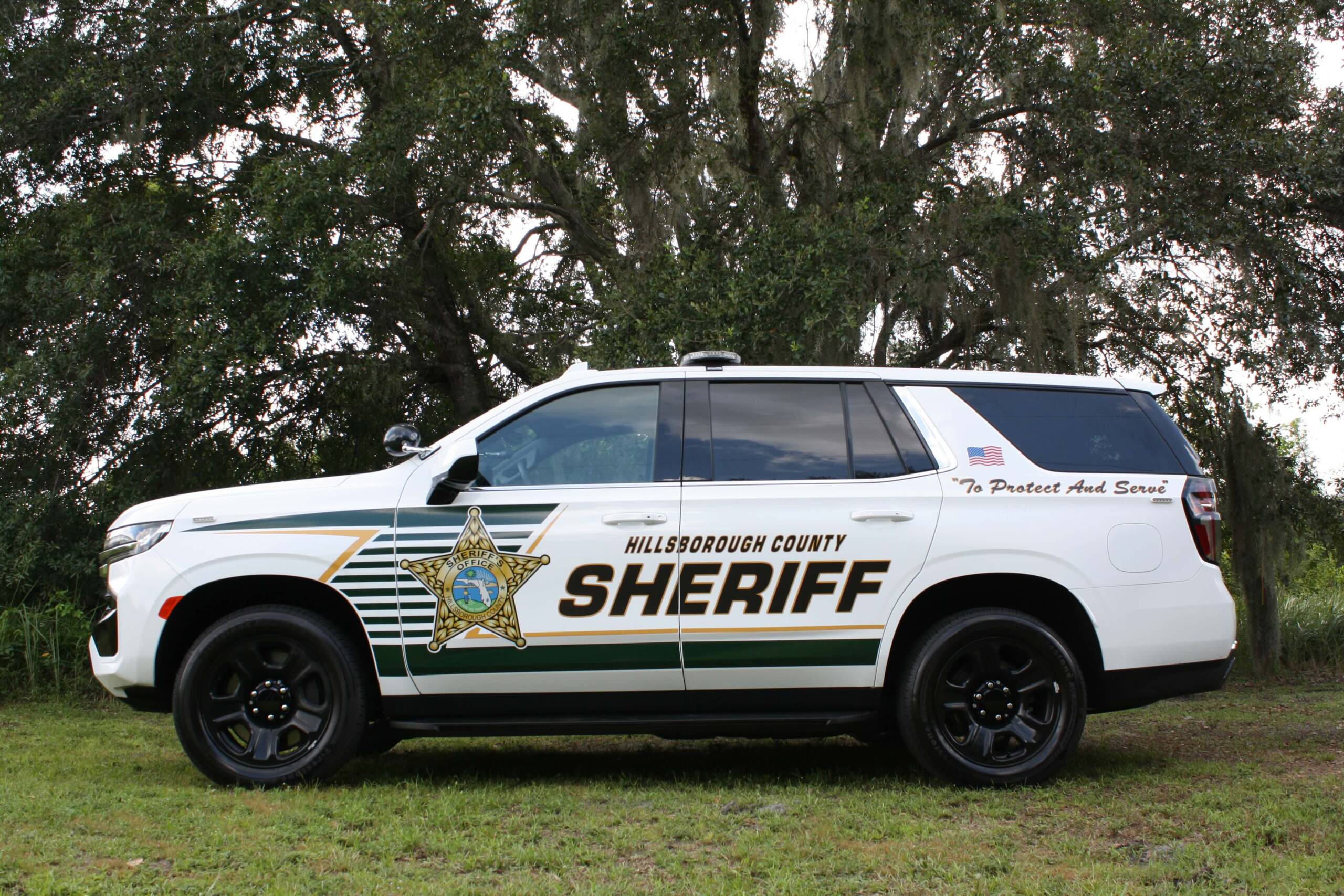
- Fleet division personnel manage and maintain vehicles and equipment for the sheriff’s office, helping ensure they are safe, reliable, and ready for service.
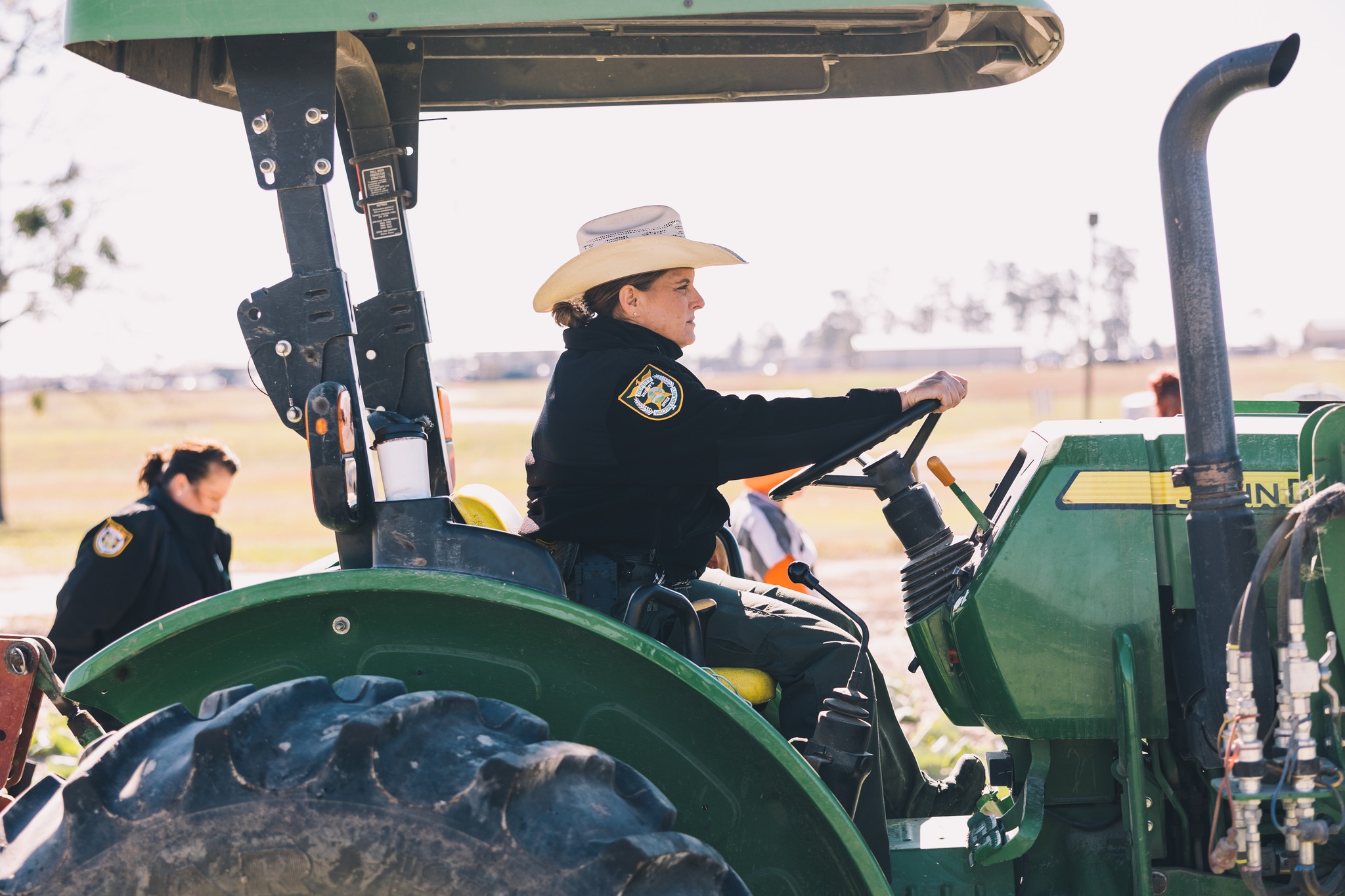
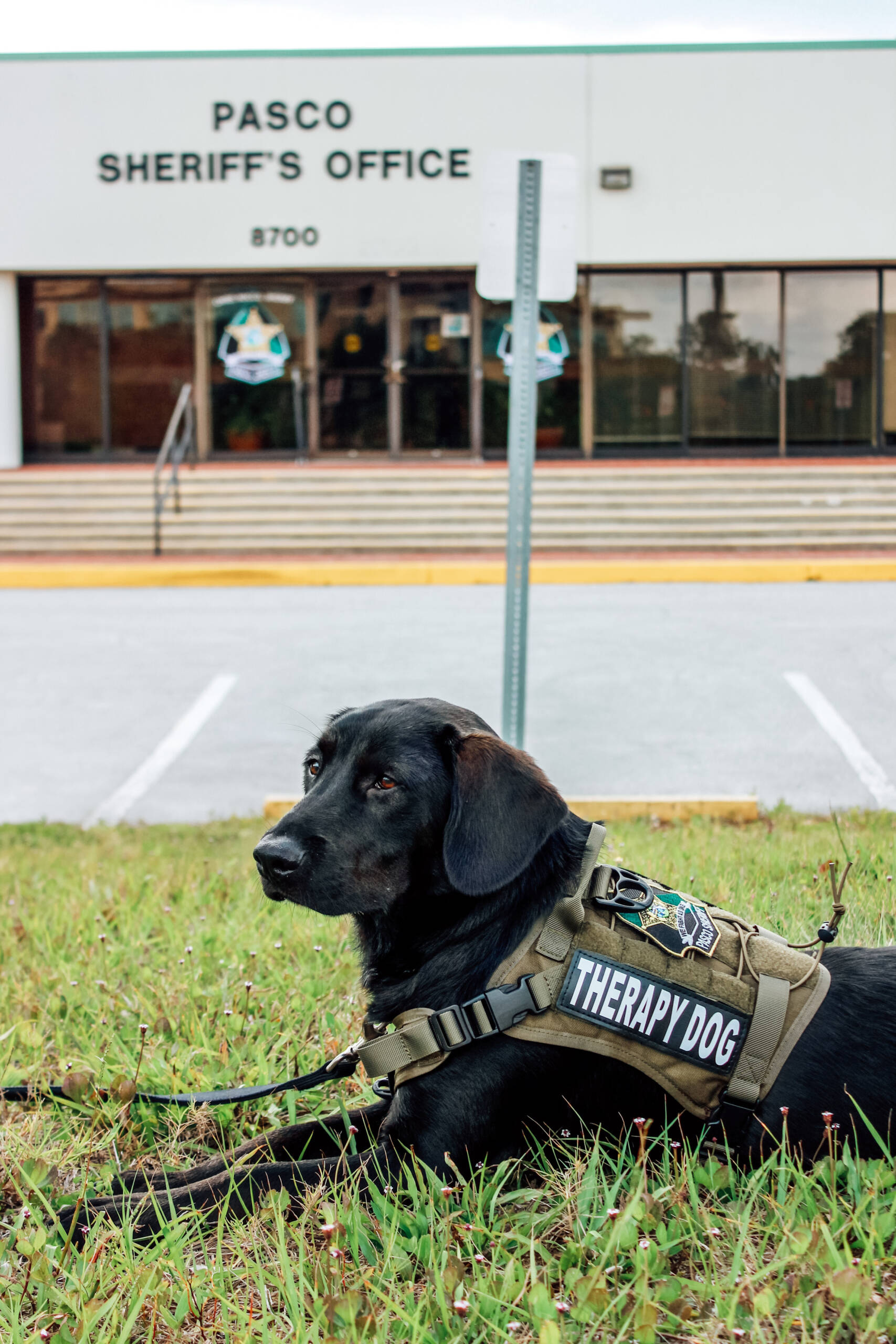
There are also career paths in areas such as training, information technology, animal services, and community programs. In other words, you don’t have to fit one particular personality or skill set to find a place in public safety.
What Does It Take to Work in Law Enforcement?
There is no single path into public safety, and there may be a place for skills you already have. The important thing is to understand that different roles may require different qualifications, training, and experience. The right fit depends not only on your interests, but also on the kind of work you want to do and the people you want to serve.
Are you a natural problem solver? A career in investigations could be a good fit.
Do you stay calm when everyone else is stressed? Emergency communications may be worth exploring.
Do you enjoy technology or science? Consider careers involving digital evidence, crime scenes, or information systems.
Do you like working directly with people? Patrol, community programs, corrections, or youth services may be a better match.
Do you like working with vehicles and equipment? Fleet operations may be a good fit.
Every public safety career has its own requirements, but many of the qualities that make someone successful aren’t found on a checklist. Curiosity matters. So does integrity. Good public safety professionals treat people with professionalism and respect, no matter the situation.
For sworn law enforcement careers, physical fitness and emotional resilience are important, but so are education, judgment, accountability, and the ability to handle challenging situations. Public safety careers aren’t only about what you can do today — they’re about being willing to learn what you’ll need tomorrow.
How Do You Become a Law Enforcement Officer in Florida?
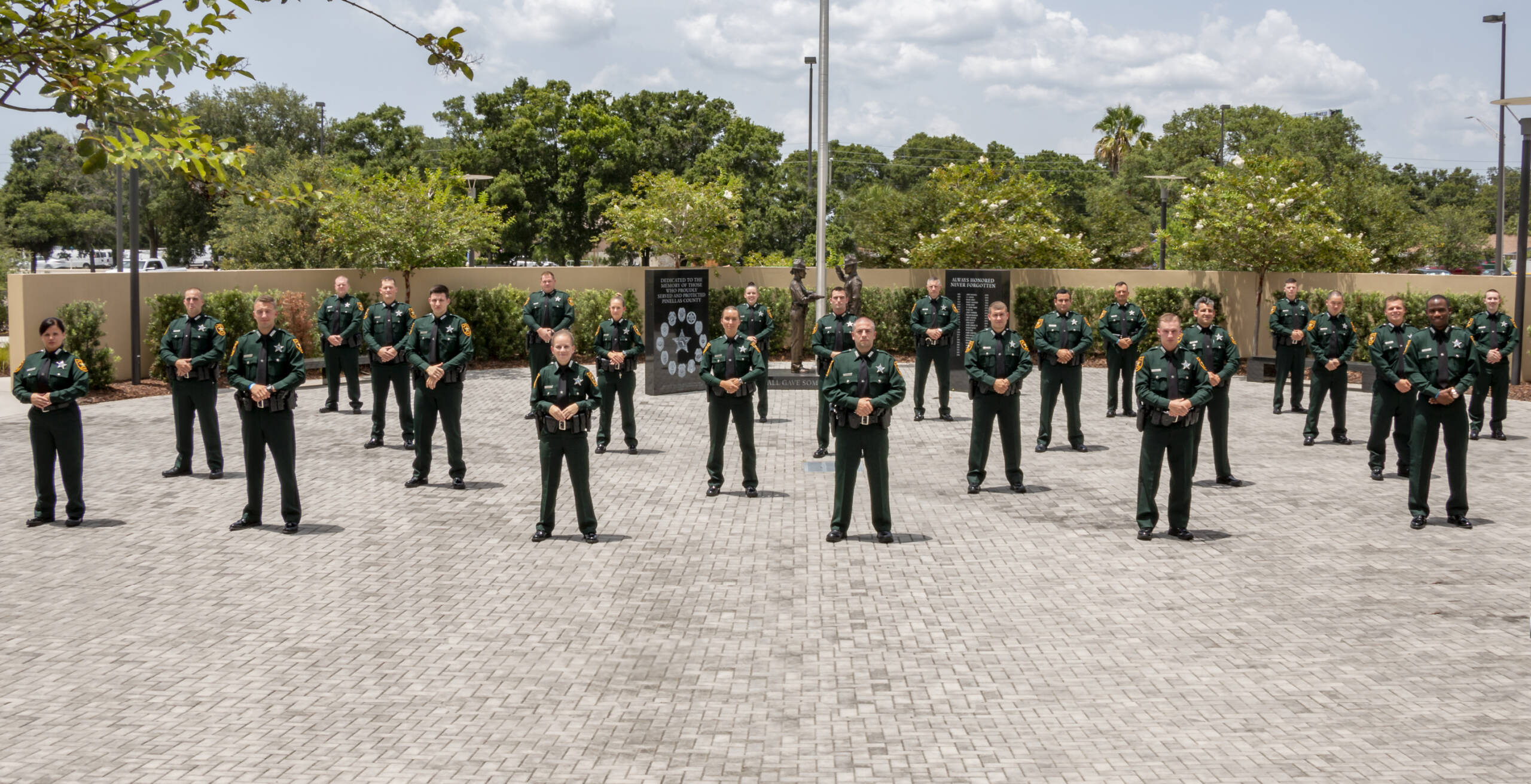
The path to becoming a law enforcement officer in Florida includes several steps, and requirements can vary by agency. At a minimum, applicants must meet Florida’s statutory qualifications and complete the required training and certification process.
For someone starting from the beginning, that generally means:
- Meeting Florida’s minimum qualifications, including age, citizenship, education, and background requirements
- Completing a Criminal Justice Standards and Training Commission-approved Basic Recruit Training Program, unless eligible for an exemption such as Equivalency of Training
- Passing the State Officer Certification Examination
- Gaining employment with a Florida criminal justice employing agency, which conducts the required background investigation and submits the applicant’s file to the Commission for review
Individual sheriff’s offices may have additional hiring requirements beyond the state’s minimum standards, so prospective applicants should check with the agency where they are interested in working. For complete requirements and current information, visit the Florida Department of Law Enforcement’s How to Become a Certified Officer in Florida page.
Preparing Now for a Future in Public Safety
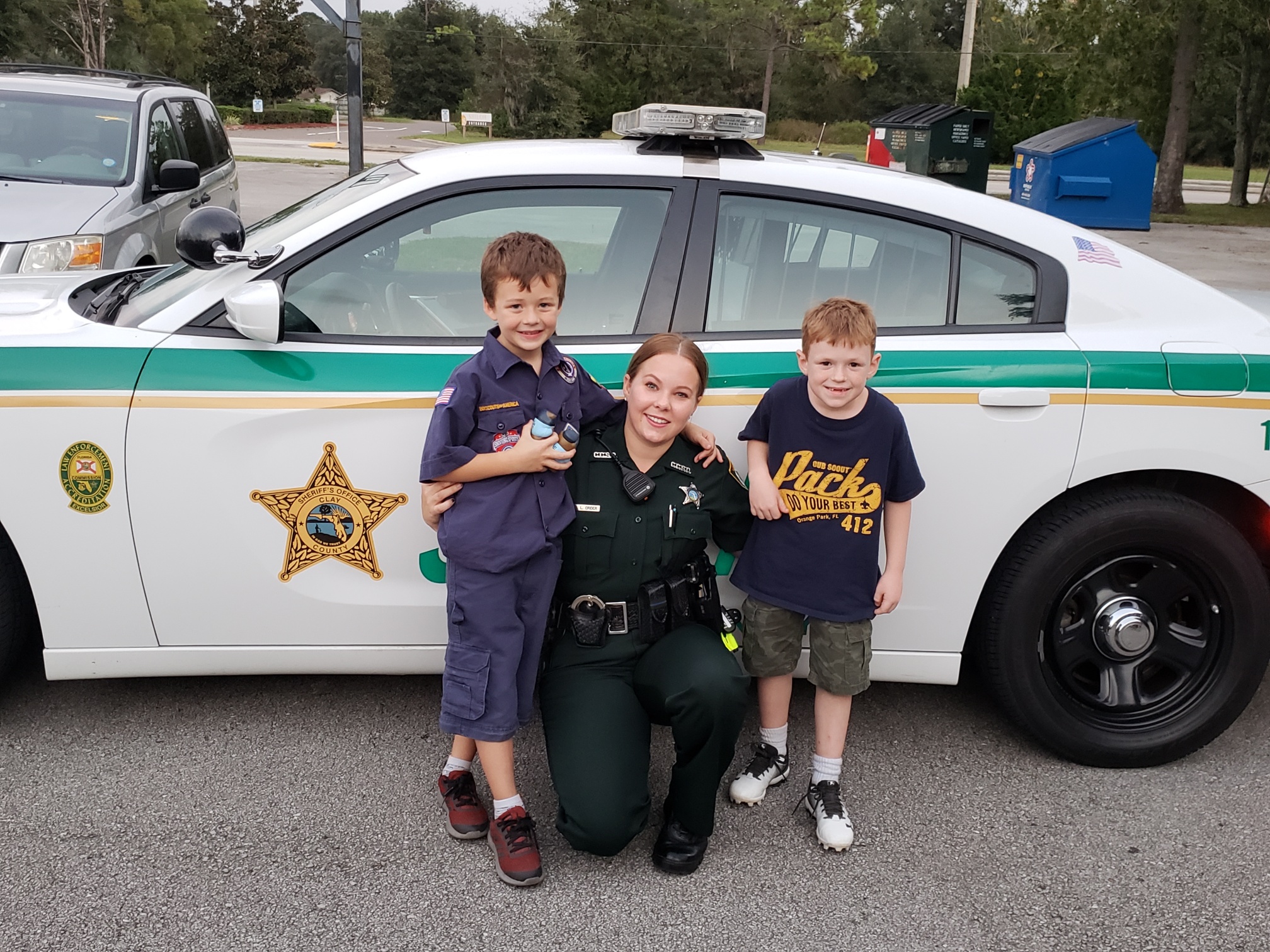
You don’t have to wait until you’re old enough to apply for a job to start exploring public safety. For students, that can mean taking classes that strengthen communication, writing, science, technology, or critical-thinking skills. It can mean participating in sports or other activities that develop teamwork and discipline. It can also mean volunteering and finding ways to serve your community. For young adults, internships, college programs, vocational training, and entry-level positions can help you discover which areas of public safety interest you most.
For anyone considering a career change, your existing experience can be an asset. Skills in technology, communications, management, customer service, education, health care, finance, automotive services, and other fields can translate into public safety in ways you may not expect. That flexibility is one of the strengths of public safety careers: your first career does not have to determine your second.
The best career exploration starts with curiosity. Ask questions. Talk to people who work in public safety. Visit a sheriff’s office. Explore different career paths. Find out what the job is really like before deciding whether it’s right for you.
Interested in a career in law enforcement?
Download the checklist below to explore different career paths, understand the requirements, and take practical steps toward building your future in the field.
Opportunities After Retirement
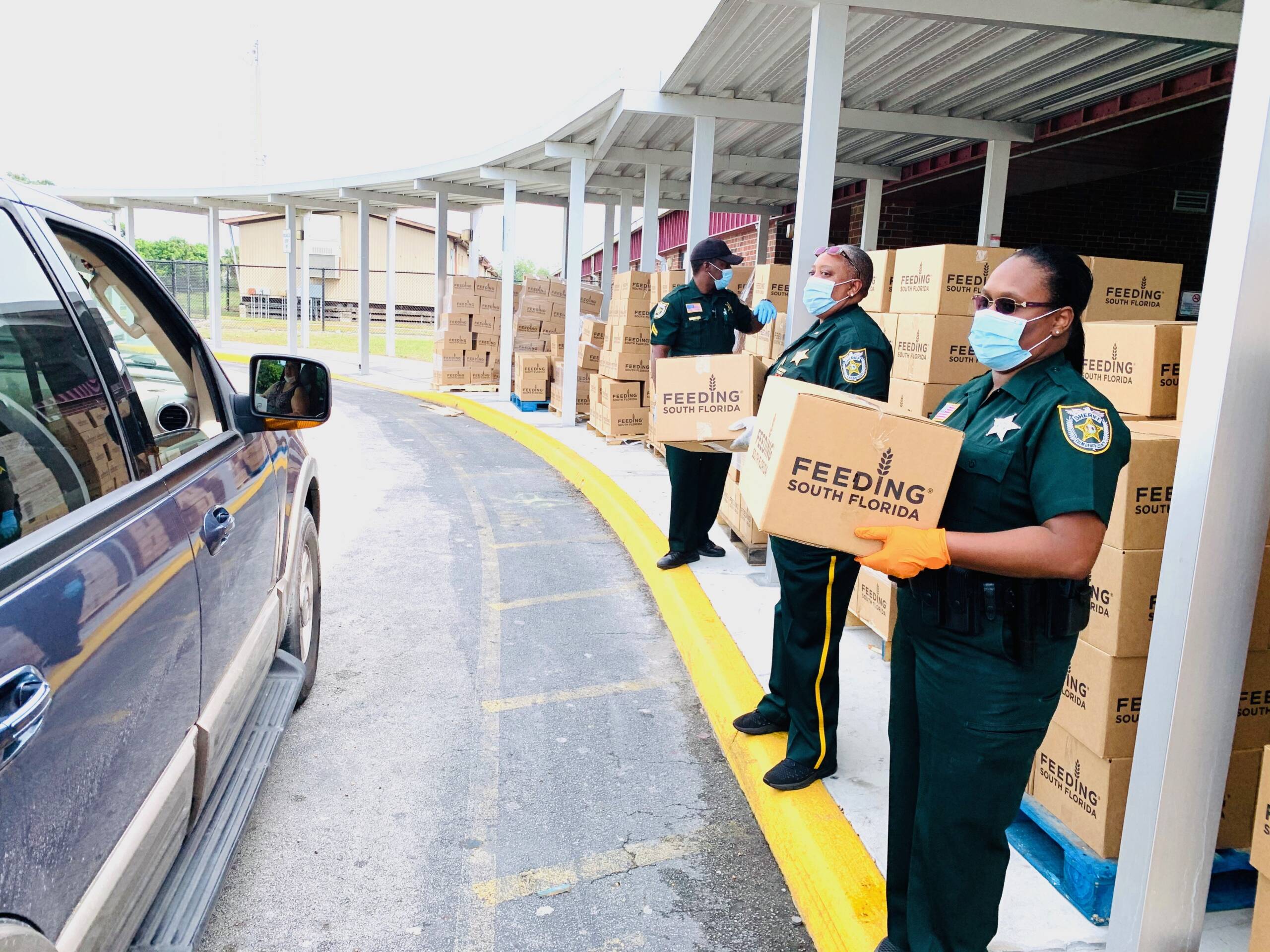
Retirement doesn’t have to mean stepping away from public safety. For retired professionals, public safety organizations can offer a meaningful second act that puts decades of experience to work in a new setting, often through part-time, volunteer, or reserve roles in mentoring, community outreach, or administrative support.
Retirement can also be a chance to explore something you’ve always been interested in but never had the opportunity to pursue. Your career experience doesn’t disappear when you retire. In many cases, it’s one of the most valuable things you can bring to a new role.
Start Exploring Early: Florida Sheriffs Explorers Association and Rising Star
For young people interested in public safety, career exploration can begin long before it’s time to apply for a job.
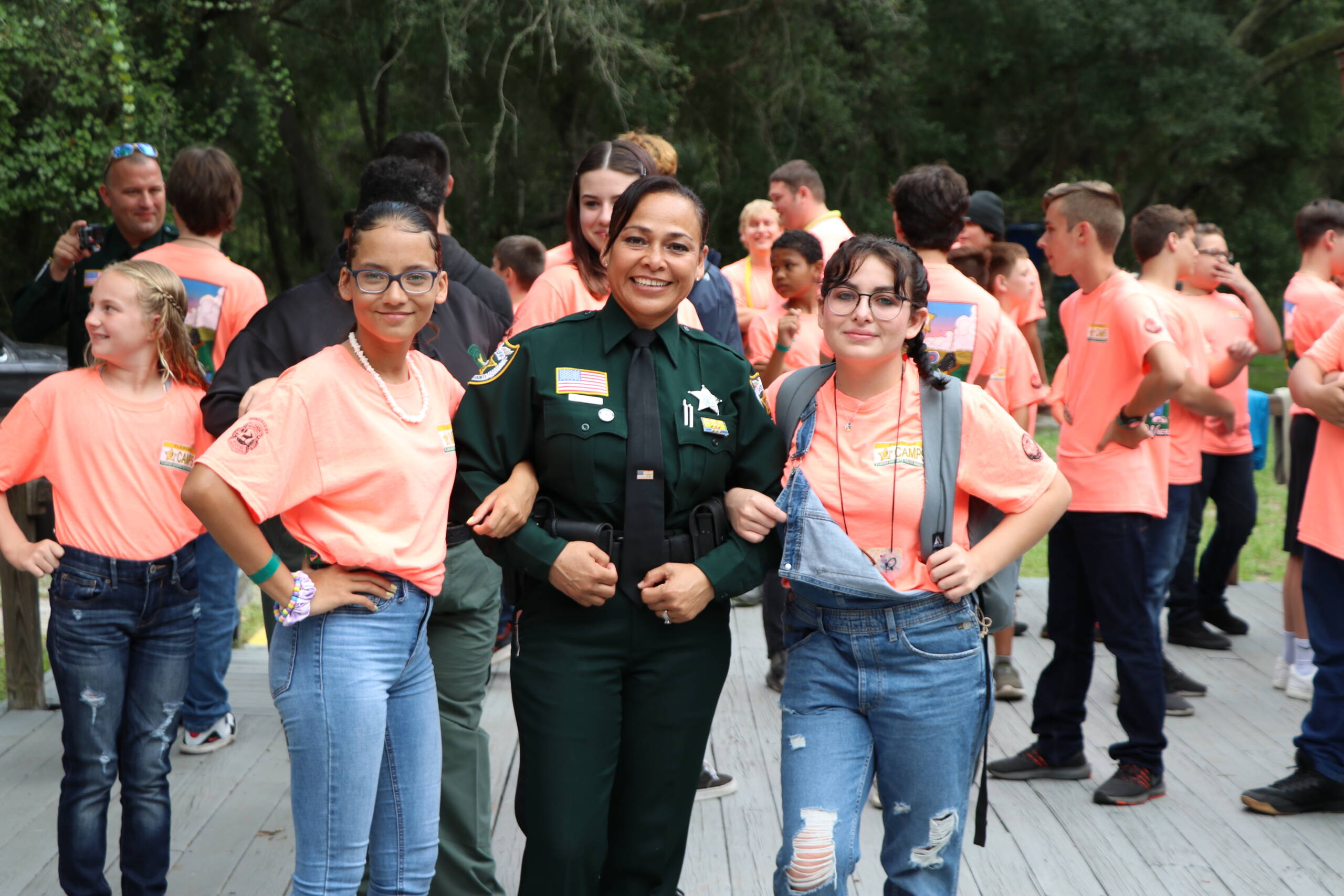
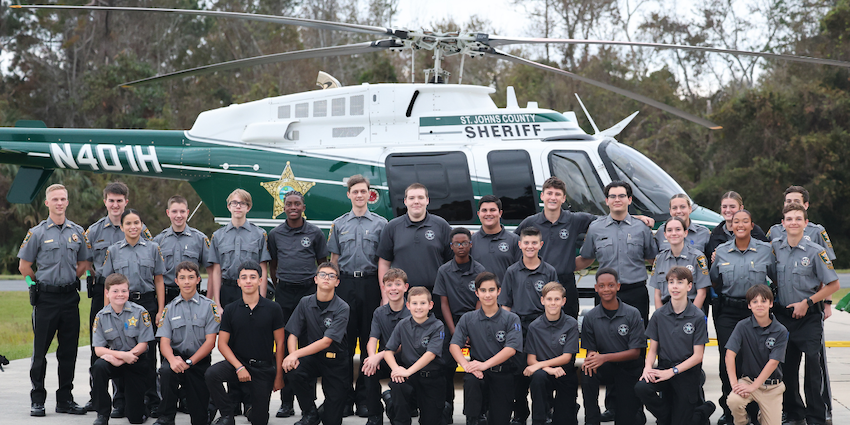
The Florida Sheriffs Explorers Association (FSEA) gives young adults ages 14 to 21 a chance to learn about law enforcement while associated with a local sheriff’s office. Explorers receive exposure to areas such as traffic control, report writing, and radio procedures, along with chances to take part in controlled community events and connect with other Explorers from across Florida.
The goal isn’t simply to put young people on a career track — it’s to give them the opportunity to learn what the profession is really like and decide whether it is the right fit for them.
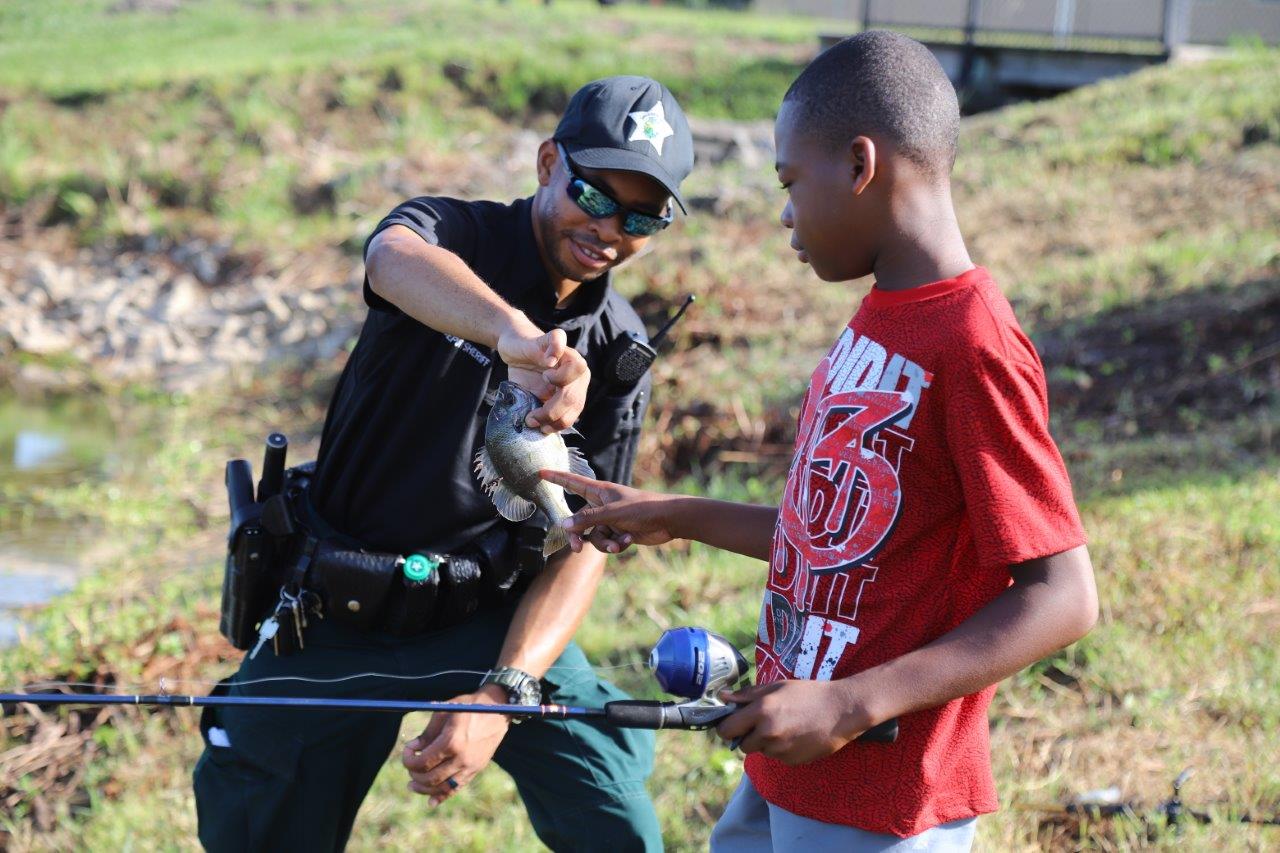
The Florida Sheriffs Association’s Rising Star Youth Program takes that concept even further by introducing students in elementary, middle, and high school to law enforcement and public safety through age-appropriate educational activities. The program is designed to encourage leadership, responsibility, teamwork, and curiosity while helping young people learn about the many career possibilities within a sheriff’s office.
Career discovery can start with a simple question: “What could I see myself doing?” Programs like these give young people a chance to start finding the answer.
A Place to Discover What’s Possible: The Florida Sheriffs Youth Learning Center
Imagine being able to step inside a sheriff’s office without having to choose a career first. That’s part of the vision behind the Florida Sheriffs Youth Learning Center. The Florida Sheriffs Association is developing the center as a hands-on educational destination where young people can learn about the more than 200-year history of the Office of Sheriff in Florida while exploring the many career paths in public safety.
Once complete, the two-story, 22,000-square-foot building will include:
- A theater with 67 seats, one for each county sheriff’s office in Florida, along with interactive displays showcasing the Office of Sheriff’s history
- A 2,500-square-foot space where visitors can see, hear, and feel what it’s like to work in a sheriff’s office, from road patrol and corrections to emergency dispatch and crime scene investigation
- A 2,100-square-foot library on the second floor preserving more than 70 years of sheriff’s office publications, books, and news articles, along with historical artifacts from sheriffs’ offices statewide
- Dedicated space for Florida Sheriffs Explorers Posts to use during visits as they work toward careers in law enforcement
The center is designed to answer a question that can be difficult for young people to answer on their own: “What does a career in public safety actually look like?” Instead of reading about different jobs, visitors will experience them firsthand. For a student who has never considered public safety, that experience could spark a new interest. For someone who has always dreamed of becoming a deputy, it could help confirm that goal. And for someone who isn’t sure what comes next, it could reveal an entirely different career path.
Investing in the Next Generation
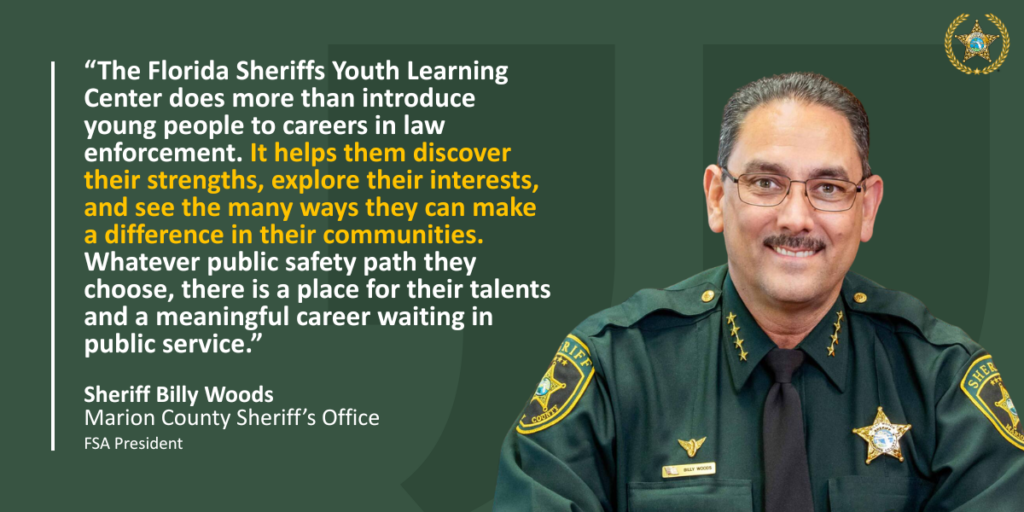
Investing in Florida’s youth means investing in the future of our communities. Through the Florida Sheriffs Youth Learning Center, the Florida Sheriffs Association is creating a place where young people can learn, explore careers in public safety, and build positive connections with law enforcement. You can help make this vision a reality by becoming a member of the Florida Sheriffs Association or making a donation to support the Florida Sheriffs Youth Learning Center and its educational programs. Every contribution helps create opportunities for the next generation. Learn more about the Florida Sheriffs Youth Learning Center campaign and how you can get involved.
About the Florida Sheriffs Association
Founded in 1893, the Florida Sheriffs Association was established to unite Florida’s sheriffs in advancing public safety, shaping legislation, and fostering collaboration among law enforcement agencies. Over the decades, FSA has grown into a powerful advocate for law enforcement, providing training, resources, and support to ensure the protection and security of Florida’s communities.
The Florida Sheriffs Association will help keep you informed on the latest law enforcement initiatives, public safety updates, and the work of Florida’s sheriffs. From in-depth blogs to legislative news and community programs, we keep you connected to the issues that matter. Explore more at flsheriffs.org and stay engaged with Florida’s law enforcement community.