



How School Resource Officers Keep Our Schools Safe
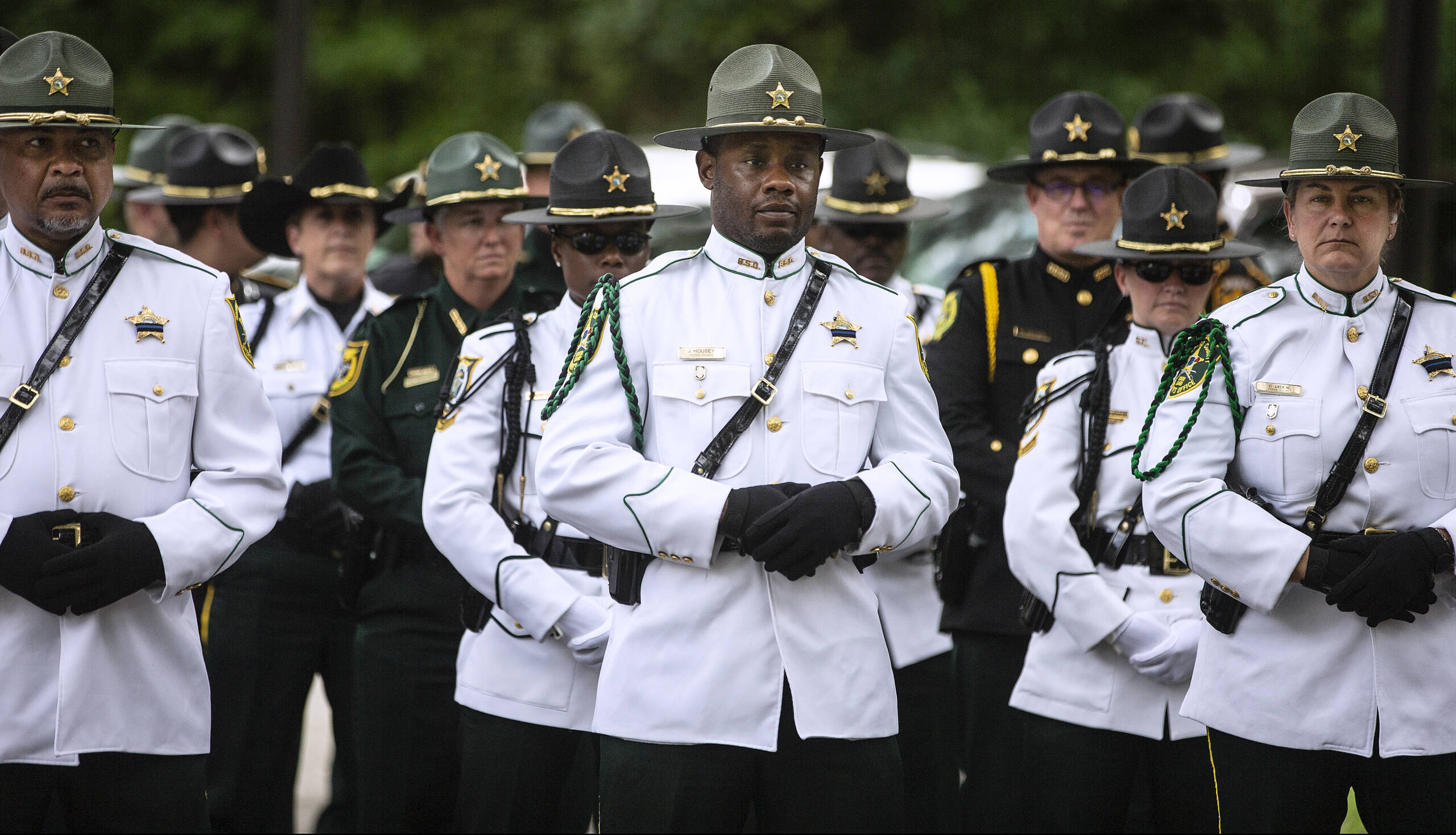
School resource officers (SROs) hold a unique position within Florida’s schools. They are sworn law enforcement officers, but their role extends well beyond traditional law enforcement duties. SROs work alongside educators, administrators, families, and students to help create safe learning environments, prevent problems before they escalate, and build positive relationships with the young people they serve.
In Florida, that role has taken on even greater importance as school safety has become a statewide priority. Florida law requires each school district to establish or assign one or more safe-school officers at each school facility, including charter schools. School resource officers are one option districts can use to meet this requirement.
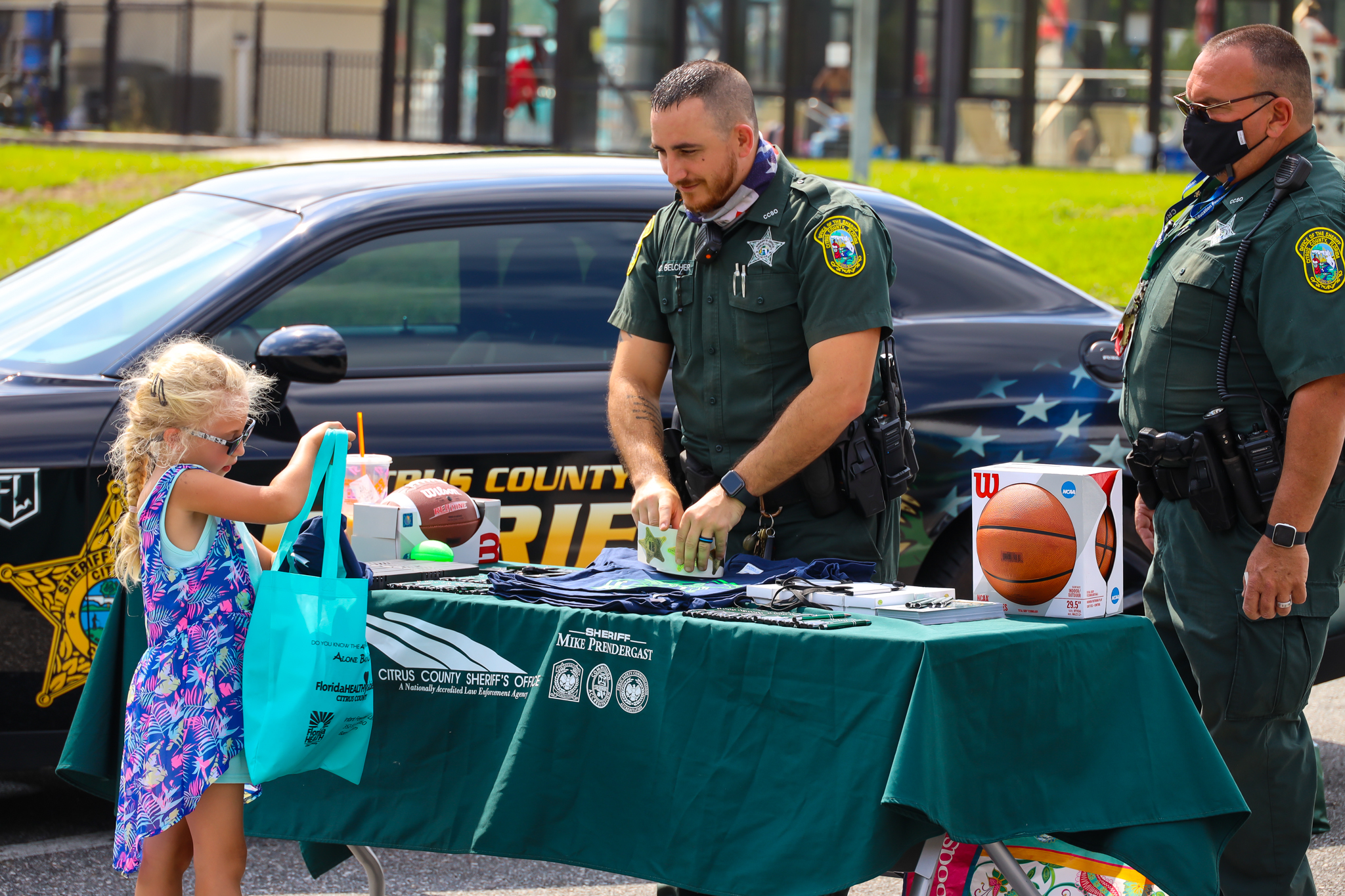
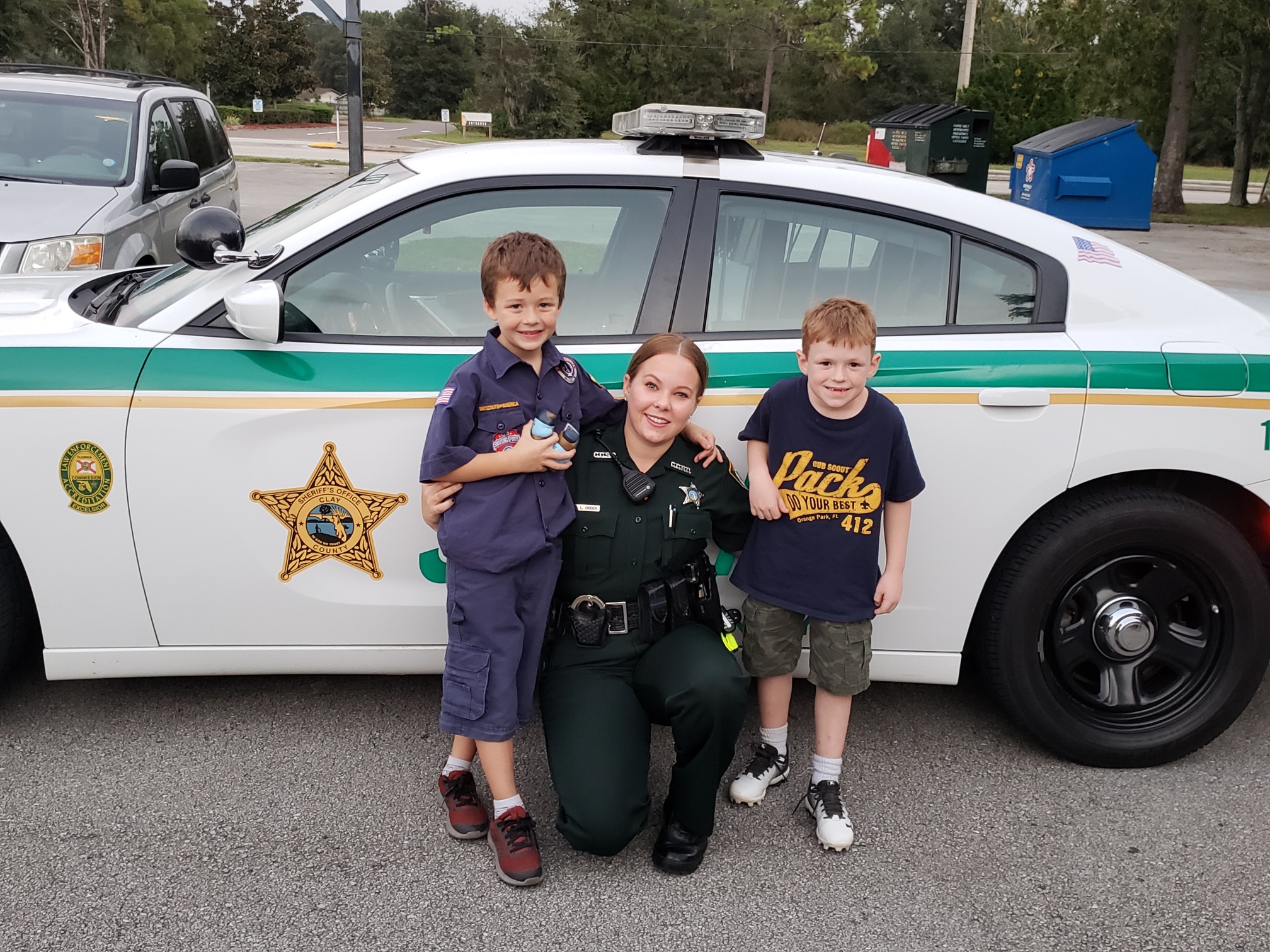
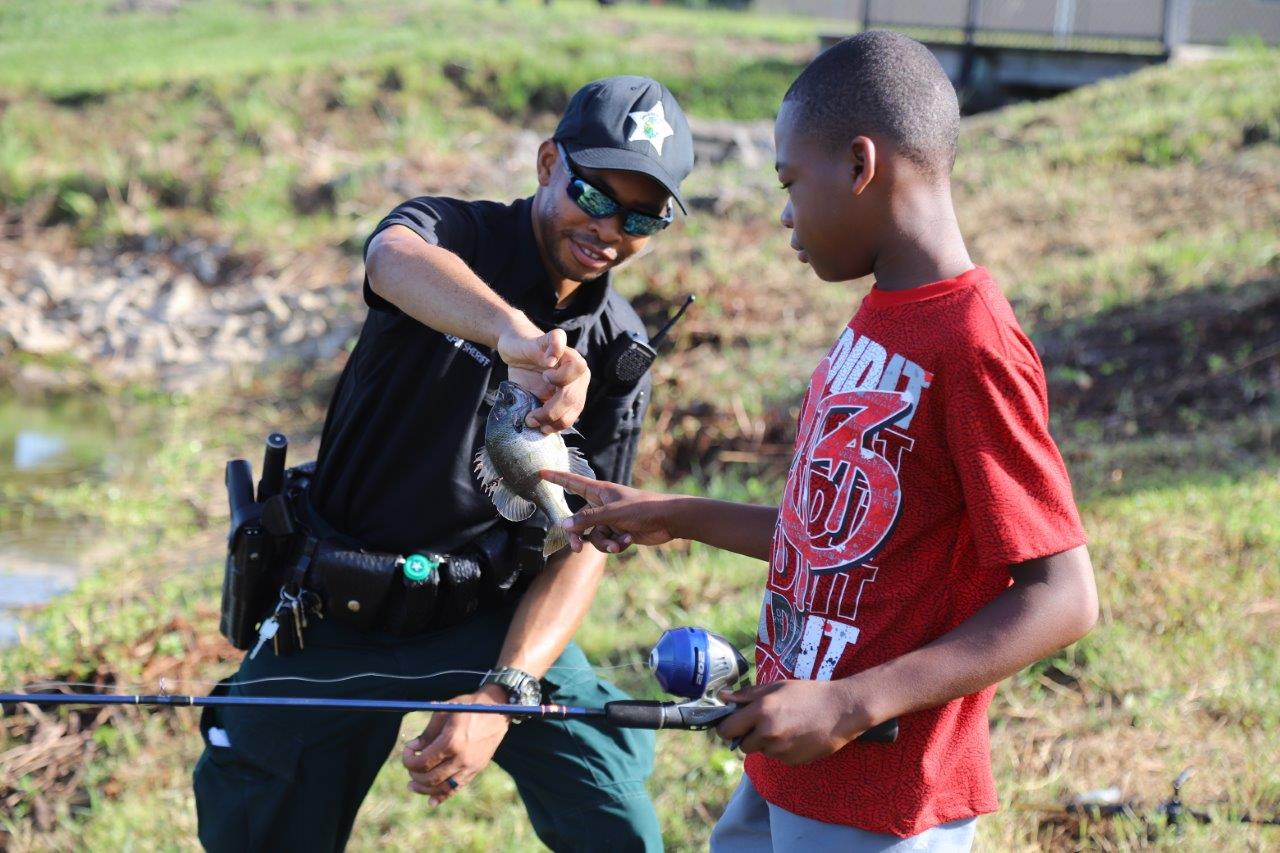
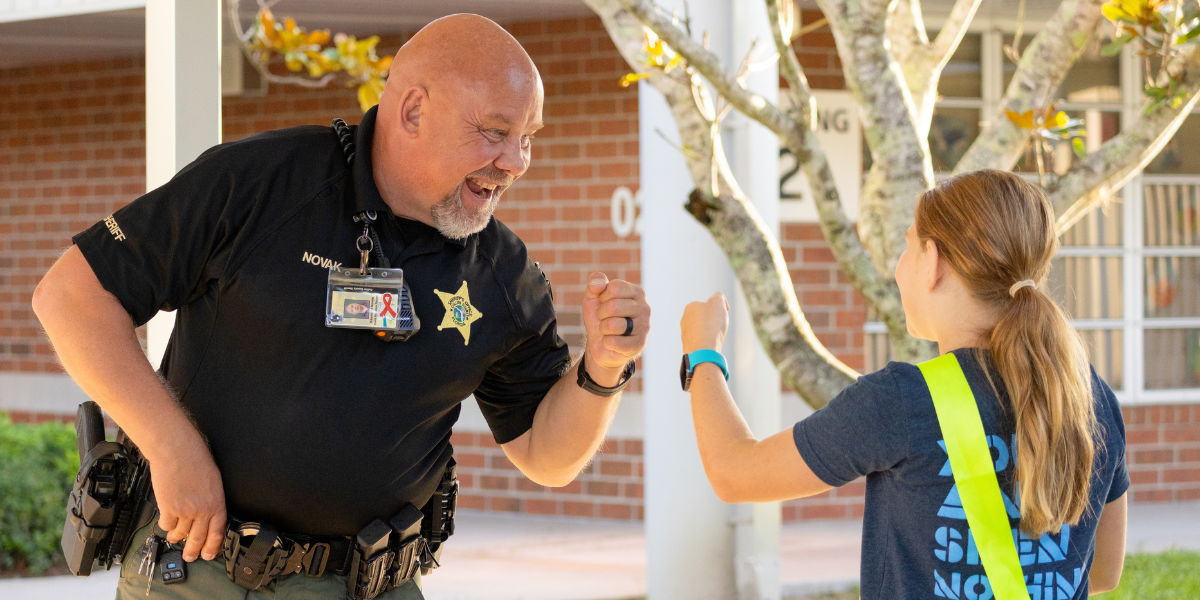
For SROs, keeping a school safe is about more than responding when something goes wrong. It is also about being present, building trust, and understanding the school community well enough to recognize concerns and opportunities to help before they become emergencies. For students, those everyday interactions can provide an opportunity to see the person behind the badge and gain a better understanding of the role law enforcement officers play in their schools and communities.
Unit Mission and Purpose
The fundamental mission of a school resource officer is to help provide a safe and secure environment where students can learn and educators can teach. SRO programs are generally built around collaboration between law enforcement agencies and schools. An SRO may be employed by a sheriff’s office, police department, or school system and works closely with school administrators, teachers, and staff.
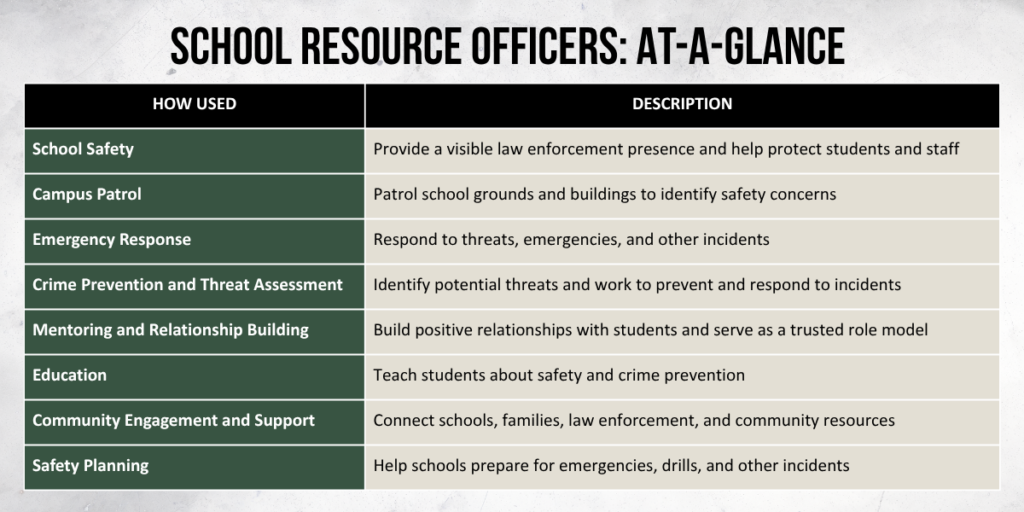
Unlike patrol officers, who typically respond to calls throughout a jurisdiction, SROs are assigned to one or more schools and become familiar with the people, buildings, routines, and unique challenges of those communities. The Florida Association of School Resource Officers describes an SRO as a sworn law enforcement officer who is carefully selected and trained to work in a school environment with specialized preparation in school-based law enforcement, crisis response, and emergency procedures. Their responsibilities can include:
- Law enforcement: Responding to incidents and helping maintain a safe school environment.
- Safety education: Providing students and staff with information and guidance on safety-related topics.
- Emergency management: Supporting schools in preparing for and responding to emergencies.
- Informal mentoring: Building positive relationships with students and serving as a trusted resource within the school community.
That familiarity is one of an SRO’s greatest assets. An officer who knows the school layout, understands its emergency procedures, recognizes students and staff members, and has established relationships within the school community can often respond more effectively than an officer encountering the campus for the first time. At the same time, a strong SRO program recognizes that not every school discipline issue requires law enforcement involvement. SROs and school personnel have different responsibilities, and effective programs establish clear expectations for when law enforcement involvement is appropriate while maintaining a focus on safety, prevention, and positive relationships.
The History of School Resource Officers
School-based law enforcement has evolved considerably over the past several decades. Early school officer programs were often focused primarily on crime prevention and maintaining order. Over time, the role expanded as communities recognized the value of having law enforcement officers develop relationships with students and become part of the school community. Today, SRO programs incorporate relationship-building and educational responsibilities alongside traditional law enforcement and emergency response.
In Florida, the role took on new significance following the February 2018 shooting at Marjory Stoneman Douglas High School in Parkland. In response, the Florida Legislature passed the Marjory Stoneman Douglas High School Public Safety Act, which created the Office of Safe Schools and established a statewide framework for strengthening school safety. The legislation also established requirements for safe-school officers at school facilities, further integrating SROs and other school safety personnel into Florida’s broader approach to prevention, preparedness, and emergency response.
Today, SROs operate as part of a comprehensive school safety system, working alongside educators, administrators, families, and other first responders to help identify concerns, prevent problems, and respond when emergencies occur.
Four Roles Every SRO Fulfills
1. Protector and Defender
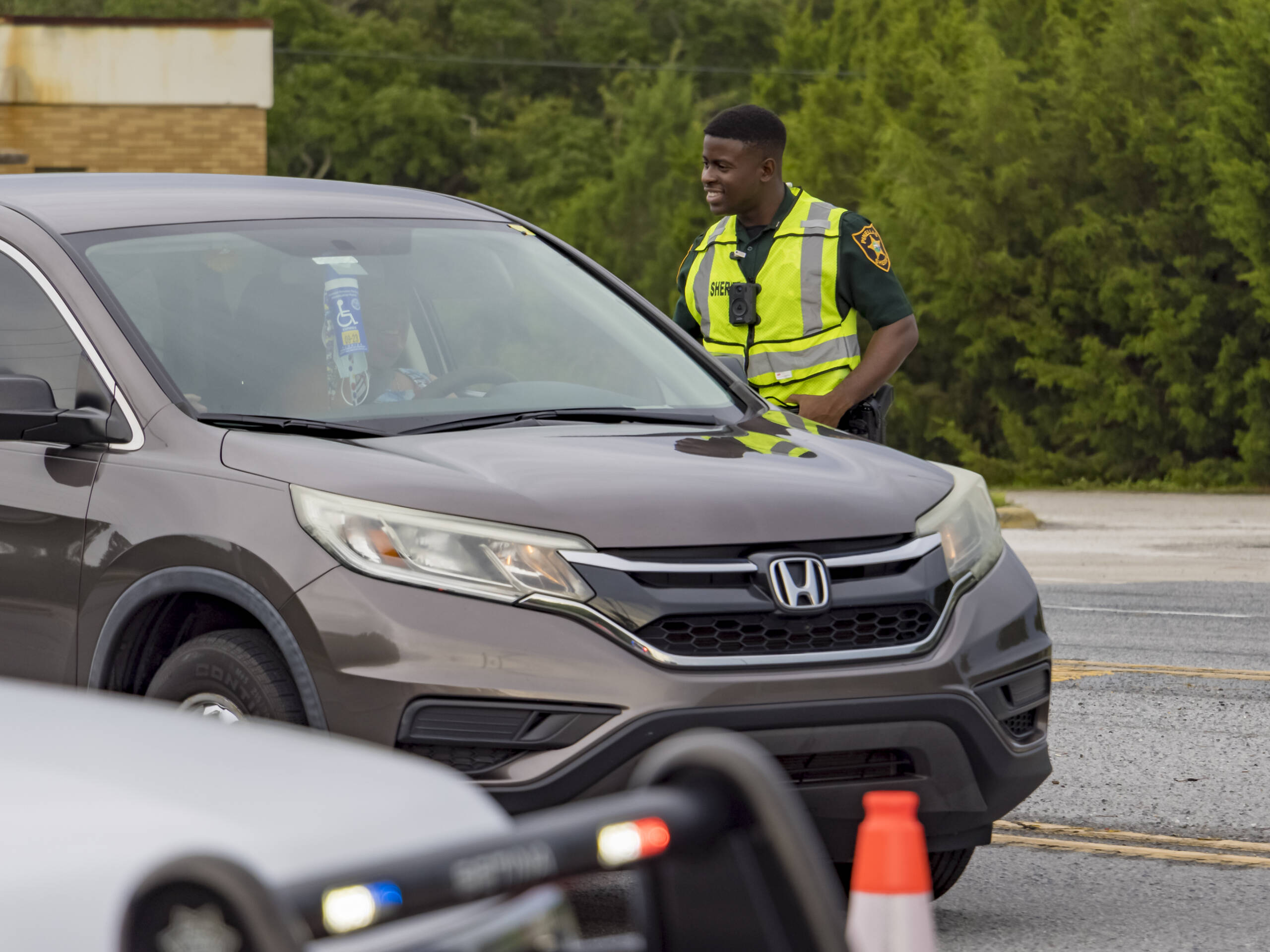
The most visible responsibility is also one of the most important: protecting students, teachers, staff, and visitors. SROs respond to crimes and emergencies occurring on campus, investigate incidents, enforce the law, and provide an immediate law enforcement presence when a threat arises. That may include:
- Responding to fights or other disturbances
- Investigating reports of weapons
- Handling trespassing complaints
- Responding to active threats
- Coordinating with other first responders during an emergency
But protection also happens long before an emergency. SROs can identify security concerns, participate in emergency planning and drills, assist with threat assessment, and become familiar with the physical layout and vulnerabilities of their campuses.
2. Mentor
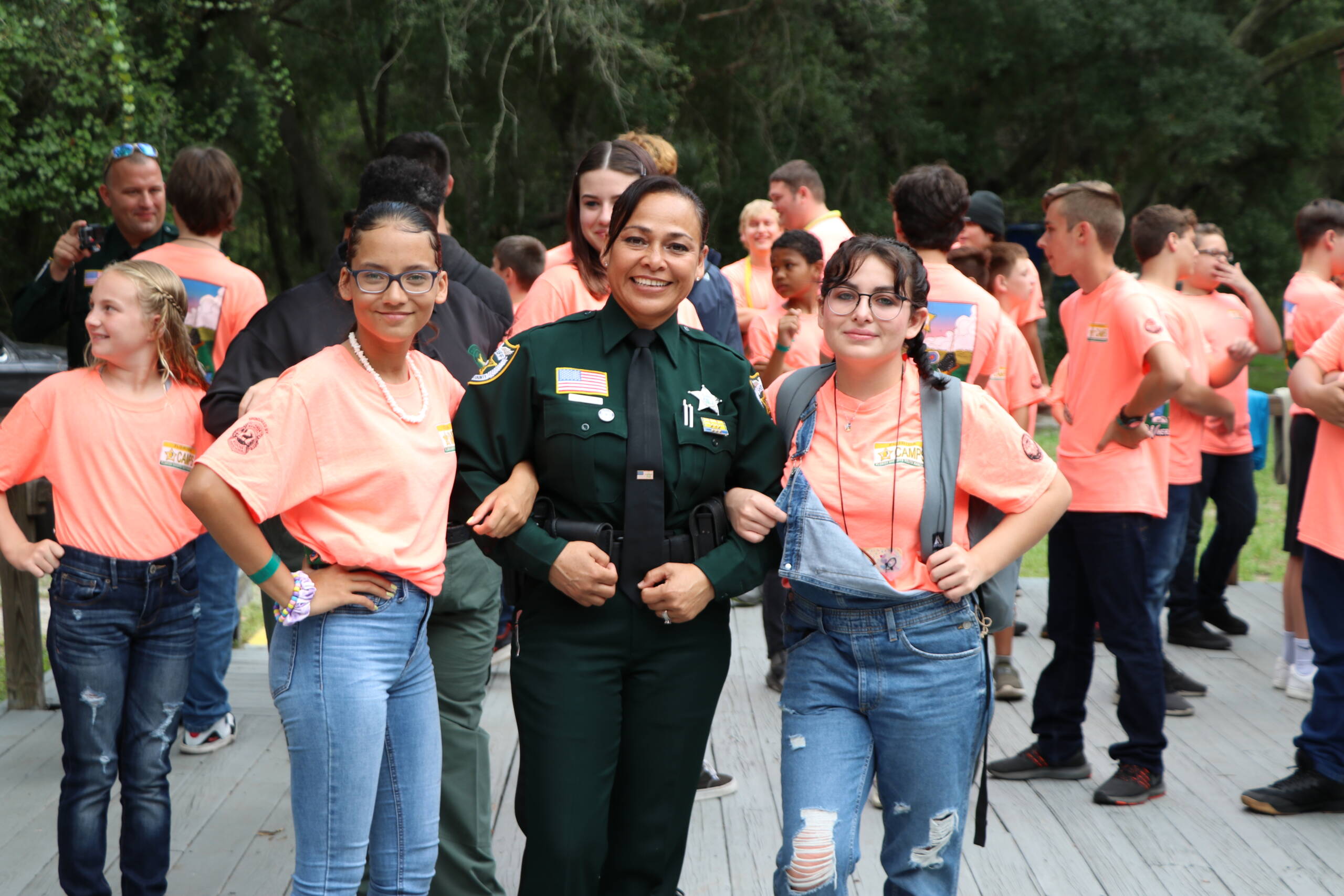
An SRO may be the only law enforcement officer some students regularly interact with. That creates an opportunity to build relationships that can have an impact well beyond the school hallway. By being present and approachable, SROs can become trusted adults students feel comfortable turning to when they need help. A student may approach an SRO with concerns about bullying, conflict with another student, problems at home, online threats, or something they have witnessed.
3. Educator
SROs also serve as educators. Depending on the school and the officer’s expertise, an SRO may speak to students about topics such as:
- Internet and social media safety
- Drug and alcohol awareness
- Bullying and harassment
- Traffic and pedestrian safety
- Personal safety
- The juvenile justice system
- Consequences of criminal behavior
- School safety and emergency preparedness
- Careers in law enforcement
Teaching in a classroom requires a different skill set from conducting an investigation. Effective SRO training recognizes this and prepares officers to communicate with students in an age-appropriate and engaging way.
4. Problem Solver
Perhaps the least visible but one of the most valuable parts of an SRO’s job is problem solving. Not every problem that affects school safety is a crime. Sometimes, the solution involves communication, collaboration, or connecting people with resources. An SRO may work with school administrators to:
- Address recurring behavioral issues
- Help resolve conflicts
- Coordinate with parents or guardians
- Connect students with community resources
- Work with other law enforcement agencies when a problem extends beyond school grounds
This problem-solving role is closely connected to the community-oriented nature of school-based law enforcement. The goal is not simply to respond to individual incidents, but to recognize patterns, build partnerships, and address underlying issues that could affect the safety and well-being of the school community.
How SROs Support Law Enforcement
SROs are members of the broader law enforcement team, not separate from it. Their presence in schools provides agencies with officers who have specialized knowledge of juvenile issues, school environments, and the people they serve. They also provide a direct connection between schools and the law enforcement agency.
Because SROs spend their days on campus, they may identify concerns that would otherwise never reach a patrol officer. They can share relevant information with investigators and patrol personnel and coordinate responses when an incident requires additional resources. Their familiarity with the campus can also be particularly valuable during emergencies. SROs know entrances and exits, building layouts, common gathering areas, and the daily routines of the school.
Florida’s statewide school safety system is designed around this type of coordination. School safety efforts include emergency planning, risk assessments, threat management, and communication systems intended to connect schools with first responders. An SRO can serve as one of the critical links connecting those systems to the day-to-day reality of a school.
Specialized Training for SROs
Being a good patrol officer does not automatically make someone a good school resource officer. Working with children and teenagers requires a different understanding of communication, adolescent development, school law, family dynamics, and the school environment.
Florida offers specialized SRO training through the Criminal Justice Standards and Training Commission. The state’s SRO training offerings include an 80-hour School Resource Officer Fundamentals course, as well as specialized courses addressing topics such as active threat response. The objective is to prepare officers not simply to respond to emergencies, but to understand the environment in which those emergencies occur and the students, staff, and families they serve. Training covers subjects including:
- School law and student rights
- Adolescent development
- Communication and de-escalation
- Behavioral threat assessment
- Crisis response
- School emergency planning
- Students with disabilities
- Mental health and substance abuse
- Human trafficking
- Trauma-informed practices
- Public speaking and classroom instruction
- Juvenile law
- Active threat response
In addition, the Office of the Attorney General offers a School Resource Officer Practitioner Designation and a Florida SRO Specialist program.
SROs must maintain their certification through continuing training requirements. Certified officers generally must complete 40 hours of continuing training every four years, along with other mandatory requirements. As part of their training, all SROs must complete Crisis Intervention Training (CIT), which equips officers with the skills needed to respond effectively when students are experiencing a mental health or behavioral crisis. The training emphasizes communication, de-escalation, recognizing signs of mental illness, and connecting individuals with appropriate resources. The Florida Sheriffs Association supports this training statewide, offering more than 30 CIT classes each year and training more than 500 deputies annually.
Spotlight on Florida Sheriffs’ SRO Programs
Some Florida sheriff’s offices have developed SRO programs that demonstrate just how broad the role can be. The Broward Sheriff’s Office School Resource Officer program takes a proactive approach to school safety through behavioral threat assessment, de-escalation, and youth mental health training. SROs work alongside educators and other professionals to identify warning signs, address concerns, and help connect students with appropriate resources. The agency has also expanded SROs’ access to its Real Time Crime Center, which provides information from school cameras across the county.
The Okaloosa County Sheriff’s Office SRO program emphasizes three complementary roles: law enforcement officer, counselor, and educator. SROs provide campus security and respond to incidents, but they also teach students about safety, crime, violence prevention, and drug and alcohol awareness while serving as resources for students, parents, and school staff. The program has received national recognition, including being named a “Model Agency” by the National Association of School Resource Officers for its work in security, education, counseling, and mentoring.
The Gadsden County Sheriff’s Office Community Justice program places SROs at the center of a broader youth prevention and diversion effort. SROs work closely with school principals to develop strategies to prevent or minimize dangerous situations, while also participating in school programs, parent-teacher conferences, crime prevention activities, and small-group sessions with students. The program also includes Teen Court, which gives eligible young offenders an alternative to traditional juvenile justice proceedings while emphasizing accountability, education, and restorative approaches.
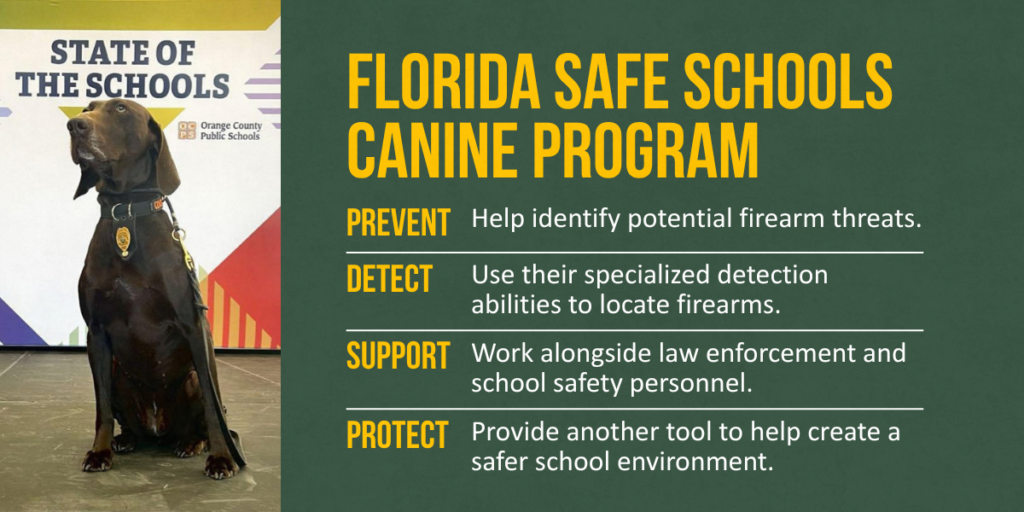
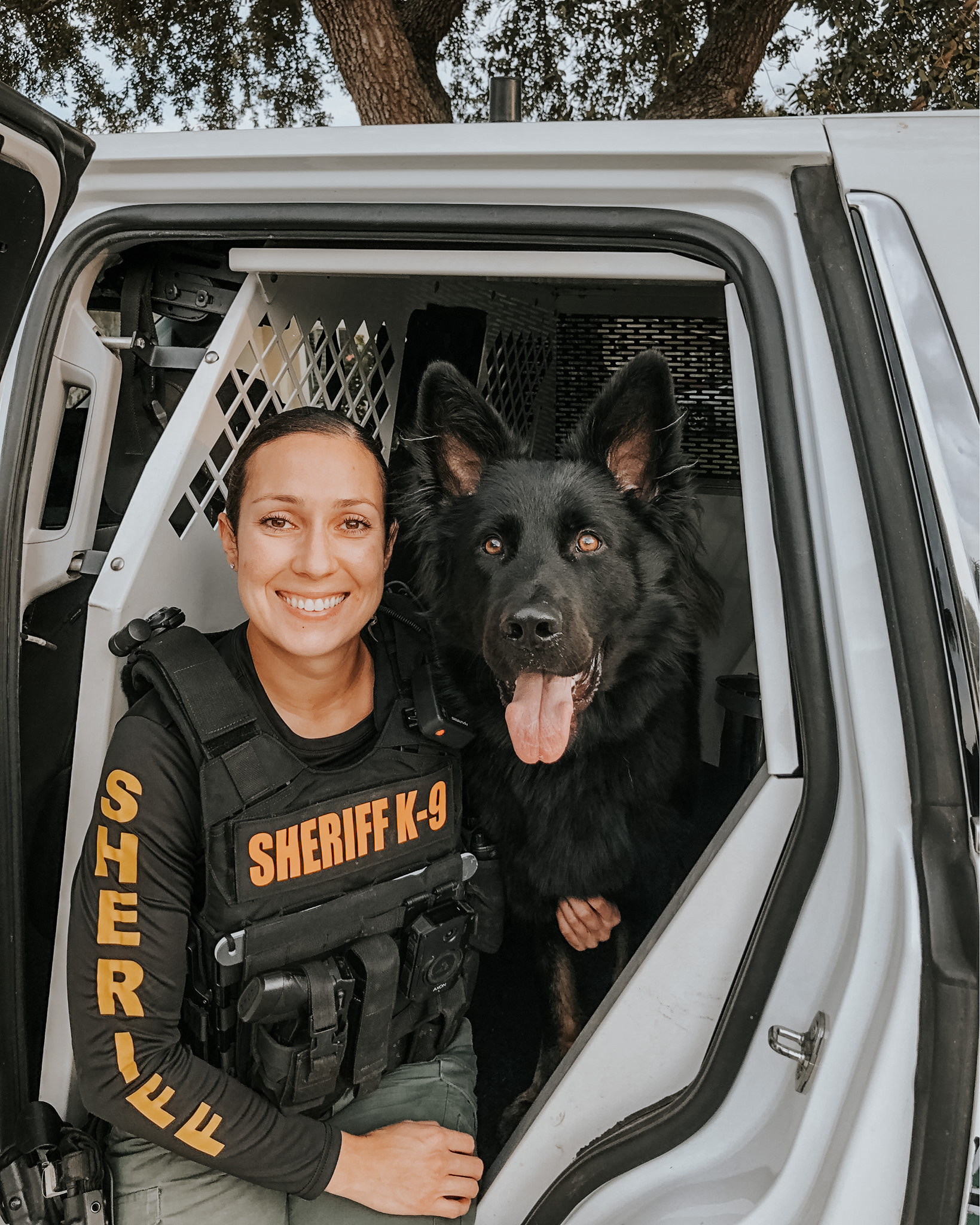
Florida Safe Schools Canine Program
School safety in Florida involves more than the people who carry a badge. In 2023, the Florida Legislature created the Florida Safe Schools Canine Program to encourage partnerships among law enforcement agencies, schools, students, and local businesses in support of firearm-detection canines in K-12 schools. The program is administered by the Florida Department of Education’s Office of Safe Schools under Section 1006.121, Florida Statutes.
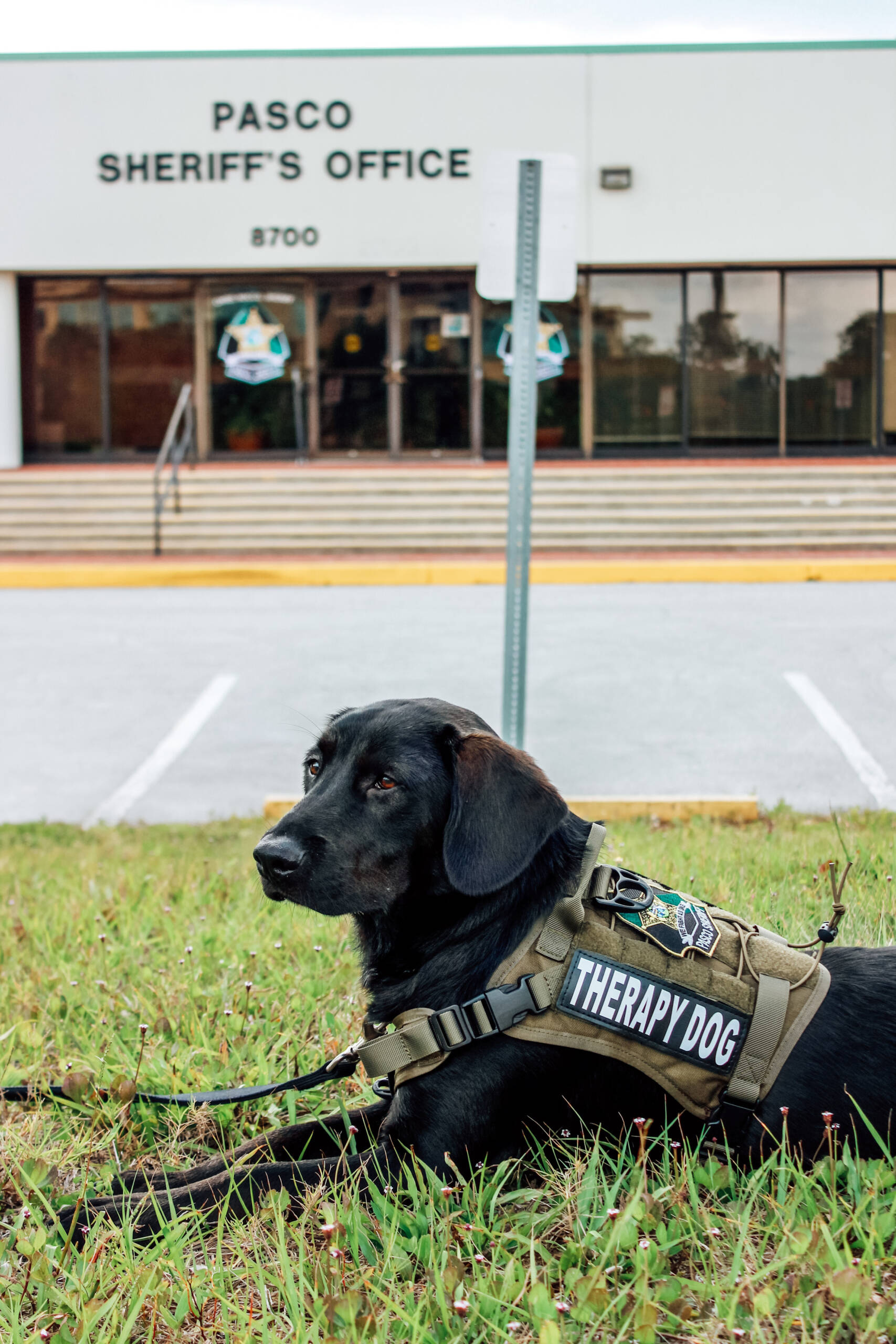
Under the program, a firearm-detection canine is a canine owned by, or working for, a law enforcement agency and used in K-12 schools primarily to help detect firearms and ammunition. These specialized K-9s are required to receive behavior and temperament training and must be trained to interact with children. Florida law specifically recognizes firearm-detection canines as potential liaisons between students and law enforcement and ambassadors for their agencies. Their presence can provide another opportunity for students to interact positively with law enforcement while supporting the broader safety mission of the school.
For SROs and other law enforcement personnel working in schools, a canine can become another tool in a layered approach to school safety. The officer brings training, judgment, and relationships with the school community, while the canine provides a specialized detection capability. Together, they can contribute to both the prevention and response components of a comprehensive school safety program.
Meet Birdie, a Safe School K-9 with the Lee County Sheriff’s Office:
Frequently Asked Questions About School Resource Officers
What is a school resource officer?
A school resource officer is a sworn law enforcement officer who is specifically trained and assigned to work with one or more schools. SROs combine traditional law enforcement duties with education, mentoring, problem-solving, and school safety responsibilities.
Are SROs required in every Florida school?
Florida law requires one or more safe-school officers at each school facility. A safe-school officer can be a certified law enforcement officer or, where authorized, a school guardian operating under Florida’s Guardian Program.
Are SROs law enforcement officers?
Yes. SROs are sworn law enforcement officers with the authority and responsibilities associated with their certification and agency. The SRO assignment adds specialized school-based responsibilities to those law enforcement duties.
Do SROs handle school discipline?
SROs can become involved when conduct involves a criminal offense, threatens safety, or otherwise requires law enforcement intervention. Routine school discipline is generally the responsibility of school administrators and staff. Effective SRO programs establish clear expectations about when an officer should become involved.
Do SROs provide mental health counseling?
SROs can serve as informal mentors and trusted adults and can help connect students with appropriate resources. They are not substitutes for qualified mental health professionals such as school counselors, psychologists, or social workers.
Why is relationship-building so important for an SRO?
Students and school employees who know and trust their SRO may be more likely to share concerns, report suspicious behavior, or seek help when something is wrong. Those relationships can give SROs information and context that can help them prevent problems and respond more effectively when incidents occur.
What makes an effective SRO?
An effective SRO needs much more than strong law enforcement skills. The assignment requires communication, patience, sound judgment, adaptability, and the ability to build relationships with students and adults. The best SROs understand that protecting a
school community involves more than responding to threats — it also means helping create an environment where students feel safe asking for help.
The Badge Is Only Part of the Job
School resource officers carry the same responsibility to protect their communities as other law enforcement officers, but they do so in an environment unlike almost any other. Their community is a school. Their daily interactions may involve a student who needs someone to listen, a teacher who needs help navigating a safety concern, an administrator working through a difficult situation, or a threat that requires an immediate response.
The most effective SRO programs recognize all of those responsibilities. An SRO is there to protect, but they are also there to teach, mentor, listen, connect, and solve problems. And by building those relationships every day — not just when something goes wrong — SROs can help make Florida schools safer places to learn, work, and grow.
Supporting Special Units in Florida[
Many sheriffs’ offices in Florida operate with limited budgets, and acquiring costly equipment can be a challenge for smaller or rural agencies. To help address this, the Florida Sheriffs Association (FSA) operates a Shared Asset Program that provides funds to sheriffs’ offices to purchase equipment that can be shared regionally with neighboring agencies.
FSA strengthens every aspect of law enforcement across the state, including specialized units like marine, aviation teams, K-9 squads, mounted patrols, and SWAT. Through programs like the Shared Asset Program, FSA helps sheriffs acquire critical equipment, advanced technology, and training that smaller offices might not be able to fund on their own. These resources enhance sheriffs’ ability to respond quickly to emergencies, conduct search and rescue missions, track suspects, and protect communities in every corner of Florida.
Supporting FSA helps ensure law enforcement has the resources, training, and specialized units needed to keep you, your family, and your community safer every day. Want to learn more about the specialized units FSA helps equip and strengthen? Explore our other blogs to see these teams in action.
About the Florida Sheriffs Association
Founded in 1893, the Florida Sheriffs Association was established to unite Florida’s sheriffs in advancing public safety, shaping legislation, and fostering collaboration among law enforcement agencies. Over the decades, FSA has grown into a powerful advocate for law enforcement, providing training, resources, and support to ensure the protection and security of Florida’s communities.
The Florida Sheriffs Association will help you to stay informed on the latest law enforcement initiatives, public safety updates, and the work of Florida’s sheriffs. From in-depth blogs to legislative news and community programs, we keep you connected to the issues that matter. Explore more at flsheriffs.org and stay engaged with Florida’s law enforcement community.