






Mental Health in Law Enforcement: Supporting Florida’s Deputies
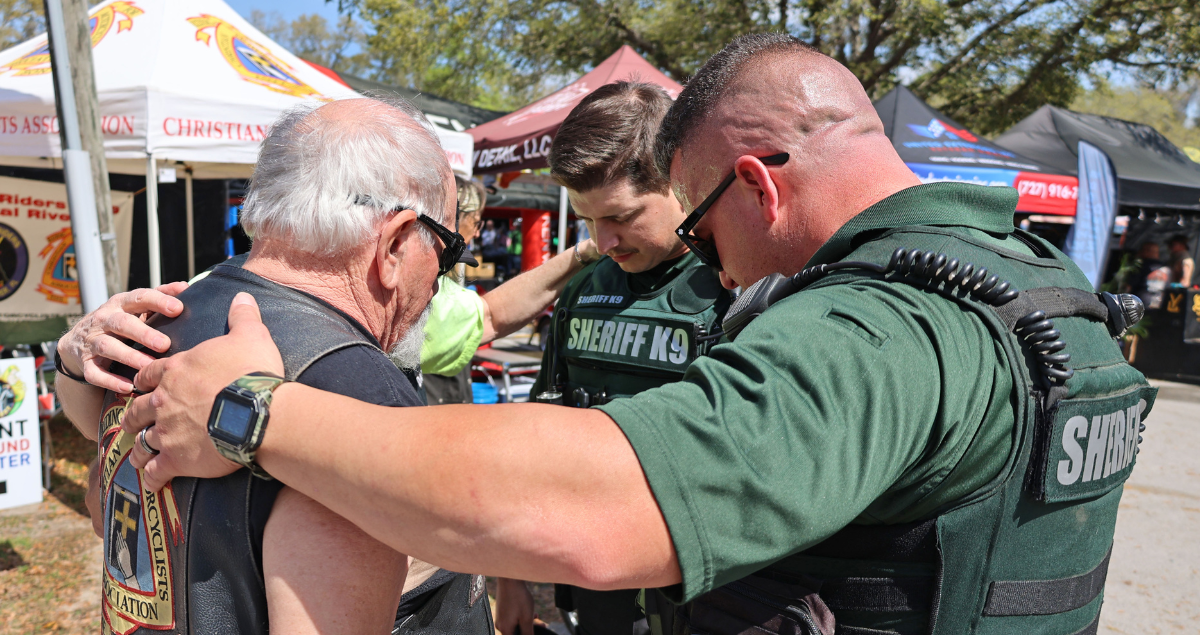
If you are a law enforcement deputy or a family member supporting someone who wears the badge and you are facing stress, anxiety, or other mental health challenges, please know that you are not alone. Florida’s sheriffs understand that the weight carried by deputies does not end when a shift does. The demands of law enforcement — from responding to emergencies and managing high-risk situations to working long, irregular hours — can take a real toll on mental and emotional well-being. These pressures affect not only deputies, but also the families who stand beside them every day.
Caring for Those Behind the Badge
Conversations about mental health in law enforcement are important because deputies are the foundation of safe, effective communities. Seeking help is not a sign of weakness — it is a sign of strength, professionalism, and commitment to long-term service. Across Florida, sheriffs’ offices recognize that supporting mental health means supporting the people who protect our neighborhoods, our families, and our way of life.
Help is available, and no deputy or family member has to navigate these challenges alone. Florida offers a growing network of trusted resources designed specifically to support deputies and their loved ones with guidance, care, and confidential support. When you’re ready, these resources can help you manage stress, build resilience, and protect your well-being — both on and off duty.
Why Deputy Well-Being Matters
Law enforcement is one of the most demanding professions, mentally and emotionally. Deputies routinely face high-pressure situations that require split-second decision-making, exposure to trauma, and constant public scrutiny. Over time, these realities can impact physical health, relationships, and overall quality of life.
Florida’s sheriffs understand that true resilience is not built by “toughing it out,” but by supporting deputies with sustainable strategies that promote mental, emotional, and physical health throughout their careers. Prioritizing deputy well-being:
- Protects long-term physical and mental health
- Supports sound decision-making under stress
- Strengthens relationships at home and within the community
- Reduces burnout, emotional exhaustion, and early-career departures
Common Mental Health Challenges Deputies Face
Deputies face mental health challenges that are often unique to the profession. Chronic stress and burnout can stem from unpredictable shifts, administrative demands, and the need to remain constantly alert. Repeated exposure to trauma from critical incidents, accidents, and community tragedies can accumulate over time and affect sleep, mood, and emotional balance.
Shift work and irregular hours further disrupt rest and recovery, compounding fatigue and stress. Together, these factors can contribute to anxiety, depression, and emotional exhaustion, underscoring why proactive mental health support is essential, not optional.
Early Warning Signs to Watch For
Recognizing early warning signs of stress or mental health challenges can make a critical difference. Supervisors, peers, and family members often notice subtle changes first. Signs may include:
- Changes in behavior, mood, or performance, such as difficulty concentrating or decreased work quality
- Withdrawal from coworkers, friends, or family
- Increased irritability, chronic fatigue, or risk-taking behaviors
Early intervention protects not only the individual deputy, but also their team and community. Addressing concerns with compassion and support strengthens trust, reinforces wellness, and ensures deputies get help when it matters most.
A Culture Shift: Reducing Stigma in Law Enforcement
For decades, law enforcement culture emphasized toughness and self-reliance. Across the state, Florida’s sheriffs are actively working to change that narrative. Reducing stigma starts with leadership and continues through peer support, training, and open dialogue.
When a healthy culture is built on these foundations, deputies are more likely to seek help early before challenges escalate into crises.
- Leadership modeling: Supervisors openly supporting mental health and wellness
- Peer support programs: Trusted colleagues serving as a bridge to professional help
- Normalization: Making mental health conversations part of everyday operations
- Accessible resources: Proactive counseling, wellness programs, and training
How Florida’s Sheriffs Are Addressing Mental Health
Florida’s sheriffs have taken a proactive leadership role in addressing mental health in law enforcement. Through training, peer support initiatives, and wellness-focused programs, sheriffs’ offices are reinforcing a clear message: caring for deputies is not separate from public safety — it is essential to it.
By prioritizing mental health in law enforcement, Florida’s sheriffs are building stronger agencies, healthier deputies, and safer communities for everyone they serve. Across Florida, sheriff’s offices are setting the standard by implementing innovative programs and resources that support the mental health and well-being of their deputies.
The Nassau County Sheriff’s Office, for example, prioritizes deputy mental wellness by fostering a culture where seeking support is encouraged, not stigmatized. The agency emphasizes proactive training, peer support, and access to trusted resources to help deputies manage stress, trauma, and the cumulative demands of the profession. Mental health awareness and resources are incorporated into its broader initiatives, including training focused on mental health tools and trauma‑processing awareness.
The Escambia County Sheriff’s Office has developed a mental health unit that uniquely integrates sworn law enforcement deputies with mental health clinicians. This co-responder model strengthens both public safety and wellness outcomes by:
- Pairing deputies and clinicians to respond jointly to calls involving mental health crises
- Providing on-scene clinical assessments and immediate de-escalation support
- Reducing repeat crisis calls by addressing underlying behavioral health needs
- Supporting deputies with clinical expertise during high-stress, complex encounters
The Orange County Sheriff’s Office also takes a comprehensive approach to deputy mental wellness by providing ongoing mental health training, confidential counseling, and critical incident support. Through programs that include family education, digital mental health tools, chaplain services, and peer-focused resources, the agency reinforces that mental wellness is essential to both deputy readiness and long-term service.
Additional Resources Available to Deputies
Employee Assistance Programs: Many law enforcement agencies offer Employee Assistance Programs (EAPs), which provide confidential counseling and support services to employees and their families. EAPs can assist with a variety of issues, including stress, anxiety, and relationship problems.
Peer Support: Some law enforcement agencies have peer support programs where deputies trained in crisis intervention and peer counseling provide support to their colleagues. Talking to someone who understands the unique challenges of law enforcement can be particularly helpful.
Online Counseling: Seeking therapy can be crucial for identifying and addressing these mental health conditions early on. If you believe you would benefit from seeing a therapist but do not want to attend sessions in person, there are private options available. Many online platforms now offer counseling. This is a convenient option if you prefer to seek help from the privacy of your home.
Chaplains: Many sheriffs’ offices have chaplains who are trained to provide emotional and spiritual support to deputies and their families. They offer a confidential and non-judgmental space for deputies to discuss personal and professional concerns. The confidentiality aspect is crucial if you are hesitant to share certain issues within the department. In 2025, the Florida Sheriffs Association led training for a new chaplains’ program, equipping more than 100 chaplains across participating agencies to support the spiritual needs of their employees.
Confidential Hotlines: If you are in crisis or just need someone to talk to, there are national and local hotlines specifically designed for law enforcement deputies. These hotlines are staffed by professionals who are familiar with the challenges faced by law enforcement personnel. They can provide immediate support and referrals if needed.
988 – National Suicide & Crisis Lifeline: Call or text 988 anytime.
CopLine: 1-800-COPLINE (1-800-267-5463)
Crisis Text Line: Text “BADGE” to 741741
First Responder Hope Line: 1-866-4FL-HERO (1-866-676-7500)
Peer Support and Ongoing Help
Blueline Rescue: A Florida-based peer support platform connecting law enforcement deputies and families with trained peers and culturally competent clinicians. You can find peer supporters, clinicians, or chaplains through their network.
Survive First: A nonprofit focused on reducing first responder suicide through education, peer support connections, and help navigating treatment.
First Responder Project: Provides education, therapeutic retreats, peer connection, and behavioral health resources for first responders.
After Action: Offers peer support groups, educational materials, and crisis lines specifically for first responder mental health.
Keep these resources within reach when you need them most by downloading this law enforcement mental health resource guide.
Critical Training for Deputies
Providing deputies in Florida with targeted training helps ensure they have the tools to manage stress and maintain mental well-being on the job.
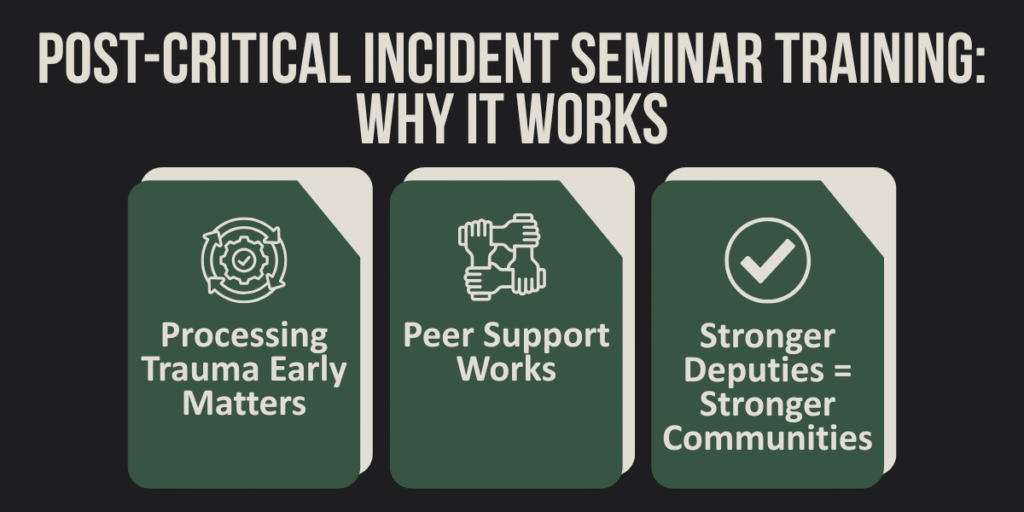
Post Critical Incident Seminar
The Post Critical Incident Seminar (PCIS) is a specialized wellness program developed through a partnership between the Florida Department of Law Enforcement (FDLE), the Florida Sheriffs Association (FSA), the Florida Police Chiefs Association (FPCA), and other state and local agencies. It supports law enforcement and correctional deputies who have experienced traumatic events in the line of duty.
Rather than focusing on tactics or policy, PCIS centers on mental health, recovery, and resilience. Critical incidents such as deputy-involved shootings, serious assaults, fatal crashes, or cumulative exposure to trauma can have lasting psychological effects if left unaddressed. PCIS provides deputies with tools and support to process these experiences in a healthy way. The program includes several key components:
- A confidential, three-day, in-person seminar
- A peer-based format facilitated by trained law enforcement professionals and licensed mental health clinicians
- Discussion-driven sessions that normalize emotional responses and reduce stigma
- Education on trauma, stress response patterns, and evidence-based coping strategies
- No-cost participation, with lodging and meals often provided; spouses or significant others may also attend
By intervening early and providing peer and clinical support, PCIS helps deputies recover, strengthen their families, and maintain safer communities. In 2025, eight PCIS sessions were offered, with more than 100 participants completing the program.
Crisis Intervention Team Training
Crisis Intervention Team (CIT) training equips first responders with the skills, knowledge, and partnerships needed to safely and effectively respond to crisis calls involving individuals experiencing mental illness or substance use disorders. Rather than relying solely on enforcement, CIT emphasizes de-escalation, understanding, and connection to appropriate services — prioritizing safety and care whenever possible.
Unlike traditional law enforcement training, CIT is built on collaboration and community partnership. This multidisciplinary approach strengthens local response systems and improves access to long-term, community-based treatment when appropriate. The program brings together:
- Law enforcement agencies
- Mental health and substance use service providers
- Advocacy organizations
- Families and individuals impacted by mental illness
CIT training follows a standardized model designed to prepare deputies for real-world crisis situations. Key elements include:
- A standard 40-hour curriculum that covers symptoms of mental illness, substance use disorders, crisis de-escalation strategies, and available community resources.
- Scenario-based training, allowing deputies to practice decision-making and communication skills in controlled, realistic environments.
- Exposure to behavioral health settings, such as tours of receiving facilities or hospitals, to better understand the systems individuals encounter during a crisis.
- Emphasis on trauma-informed and compassionate responses, with a focus on reducing stigma surrounding mental illness.
CIT training is designed to support both deputies and the individuals they serve. Research shows that CIT training significantly improves officers’ knowledge, attitudes, and de-escalation skills. Its goals include:
- Improving officer safety and confidence during crisis calls
- Reducing the risk of force in high-stress encounters
- Diverting individuals toward health-based care rather than the criminal justice system when appropriate
Expanding CIT Training Across Florida
The Florida Sheriffs Association has secured recurring state funding to expand CIT training for both law enforcement and correctional deputies. This commitment ensures deputies across Florida receive consistent, high-quality training to safely assess and interact with individuals experiencing mental health crises.
According to the 2025 Florida Sheriffs Association annual report, in 2025:
- 29 CIT classes were delivered statewide
- 578 law enforcement professionals trained
- Three CIT Coordinator Academies were held
- 37 sheriffs’ office personnel completed CIT Coordinator training
Helping Agencies Heal After Traumatic Events
The Florida Sheriffs Association is offering an officer wellness grant to support sheriffs’ offices in the aftermath of traumatic events. Made possible by a $60,000 donation from Simply Healthcare, the funding supports both agency wellness initiatives and scholarships for Critical Incident Stress Management classes offered by the Florida Department of Law Enforcement.
The grant is designed to help agencies launch new programs or strengthen existing efforts that support deputies and employees affected by a traumatic event experienced in the line of duty. In 2025, the Florida Sheriffs Association, in partnership with Simply Healthcare, awarded grants to the Hamilton County Sheriff’s Office and the Liberty County Sheriff’s Office.
Mental Health in Law Enforcement Matters
Deputies frequently encounter traumatic situations, witnessing violence, accidents, and other distressing events. Asking for help when you are struggling is a sign of strength, and it could save your life. Looking for support in a likeminded environment — such as peer support or a law enforcement-specific hotline — can help you take the first step toward healing. Mental health support services are for everyone, whether you are in crisis or struggling with burnout from daily stressors.
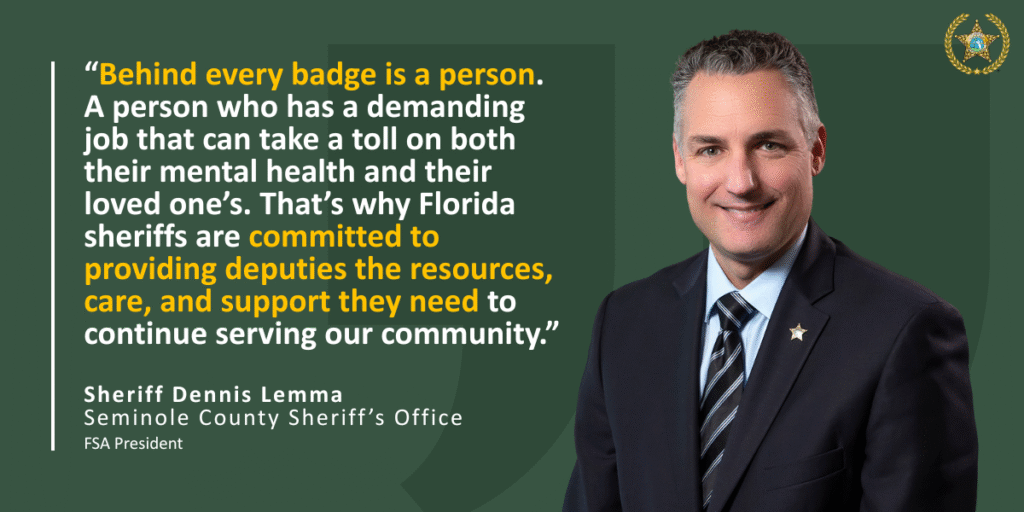
About the Florida Sheriffs Association
Founded in 1893, the Florida Sheriffs Association was established to unite Florida’s sheriffs in advancing public safety, shaping legislation, and fostering collaboration among law enforcement agencies. Over the decades, FSA has grown into a powerful advocate for law enforcement; providing training, resources, and support to ensure the protection and security of Florida’s communities.
The Florida Sheriffs Association helps you stay informed on the latest law enforcement initiatives, public safety updates, and the work of Florida’s sheriffs. Join more than 100,000 business owners, law enforcement officers and citizens in supporting law enforcement throughout the state by becoming a member. Explore more at flsheriffs.org to stay engaged with Florida’s law enforcement community.